
All products
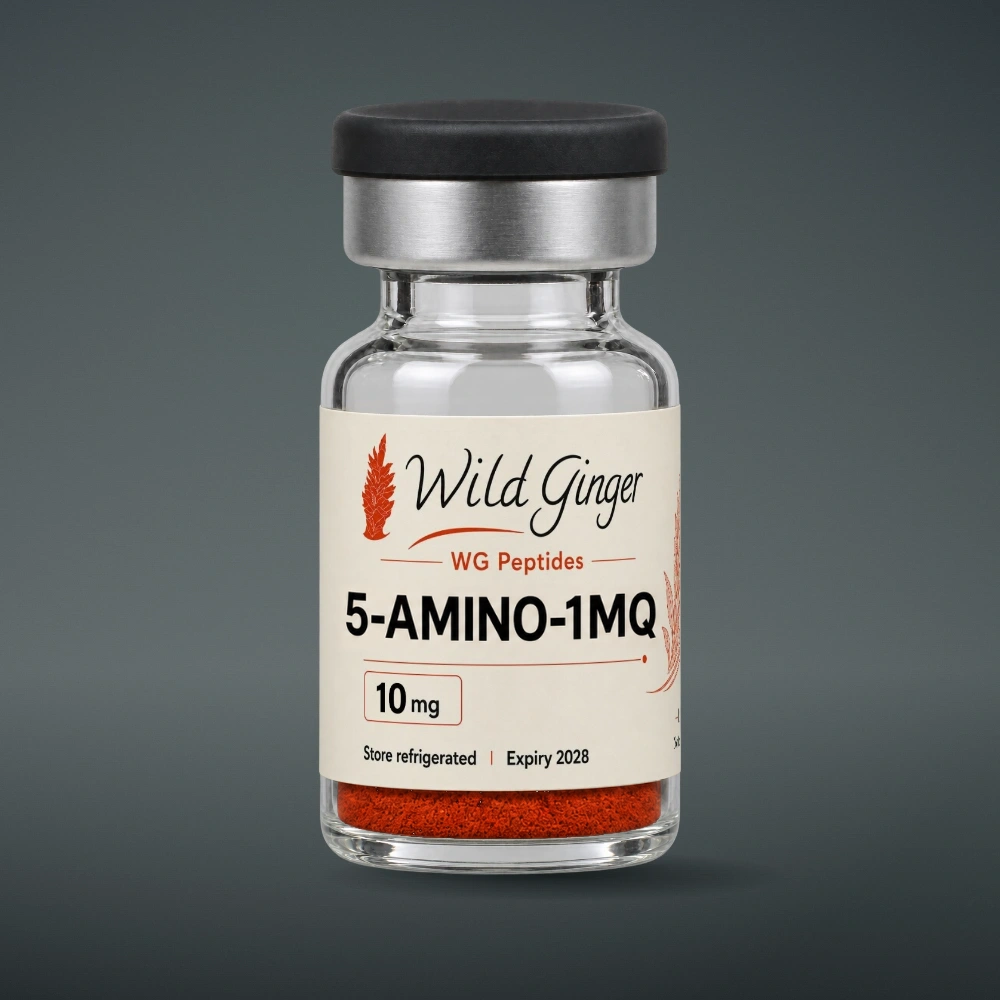
5-Amino-1MQ
Peptides5-Amino-1-methylquinolinium (5-Amino-1MQ) 5-Amino-1-methylquinolinium, commonly referred to as 5-Amino-1MQ, is a small molecule methylquinolinium derivative that functions as a selective, membrane-permeable inhibitor of nicotinamide N-methyltransferase (NNMT). NNMT is a cytosolic enzyme primarily expressed in the liver and adipose tissue, where it plays a critical role in cellular energy homeostasis by catalyzing the methylation of nicotinamide (NAM) using S-adenosyl-L-methionine (SAM) as the methyl donor. In laboratory research frameworks, 5-Amino-1MQ is utilized to investigate the modulation of the NAD+ salvage pathway. By inhibiting NNMT-mediated depletion of nicotinamide, this compound facilitates an increase in intracellular NAD+ levels and a subsequent shift in cellular metabolic flux, making it a primary tool for studying sirtuin activity and mitochondrial biogenesis in vitro. In preclinical research settings, 5-Amino-1MQ is frequently employed to explore the metabolic intersections of obesity, type 2 diabetes, and muscle atrophy models. Research indicates that inhibiting NNMT can influence the expression of genes involved in gluconeogenesis and lipid metabolism without interacting with other methyltransferases or nicotinamide phosphoribosyltransferase (NAMPT). This high degree of selectivity allows researchers to isolate the effects of NAM/NAD+ ratios on cellular signaling, specifically the activation of Adenosine Monophosphate-activated Protein Kinase (AMPK). In cell culture models, researchers observe that 5-Amino-1MQ may counteract the adipocyte hypertrophy and metabolic dysfunction associated with high-fat substrate environments, providing a robust platform for investigating the pharmacological regulation of metabolic rate at the molecular level. For laboratory application, 5-Amino-1MQ is typically provided as a stable powder. It is soluble in organic solvents such as DMSO or ethanol; however, researchers should ensure complete dissolution before proceeding with serial dilutions in aqueous buffers to prevent precipitation. Unopened, the powder can be stored refrigerated at 2–8°C for use within weeks, or at −20°C for long-term storage, protected from light and moisture. Once reconstituted, store at 2–8°C, protected from light, and avoid repeated freeze-thaw cycles. This product is intended for IN-VITRO RESEARCH AND LABORATORY USE ONLY. It is not for human consumption, clinical use, or veterinary applications.
10mg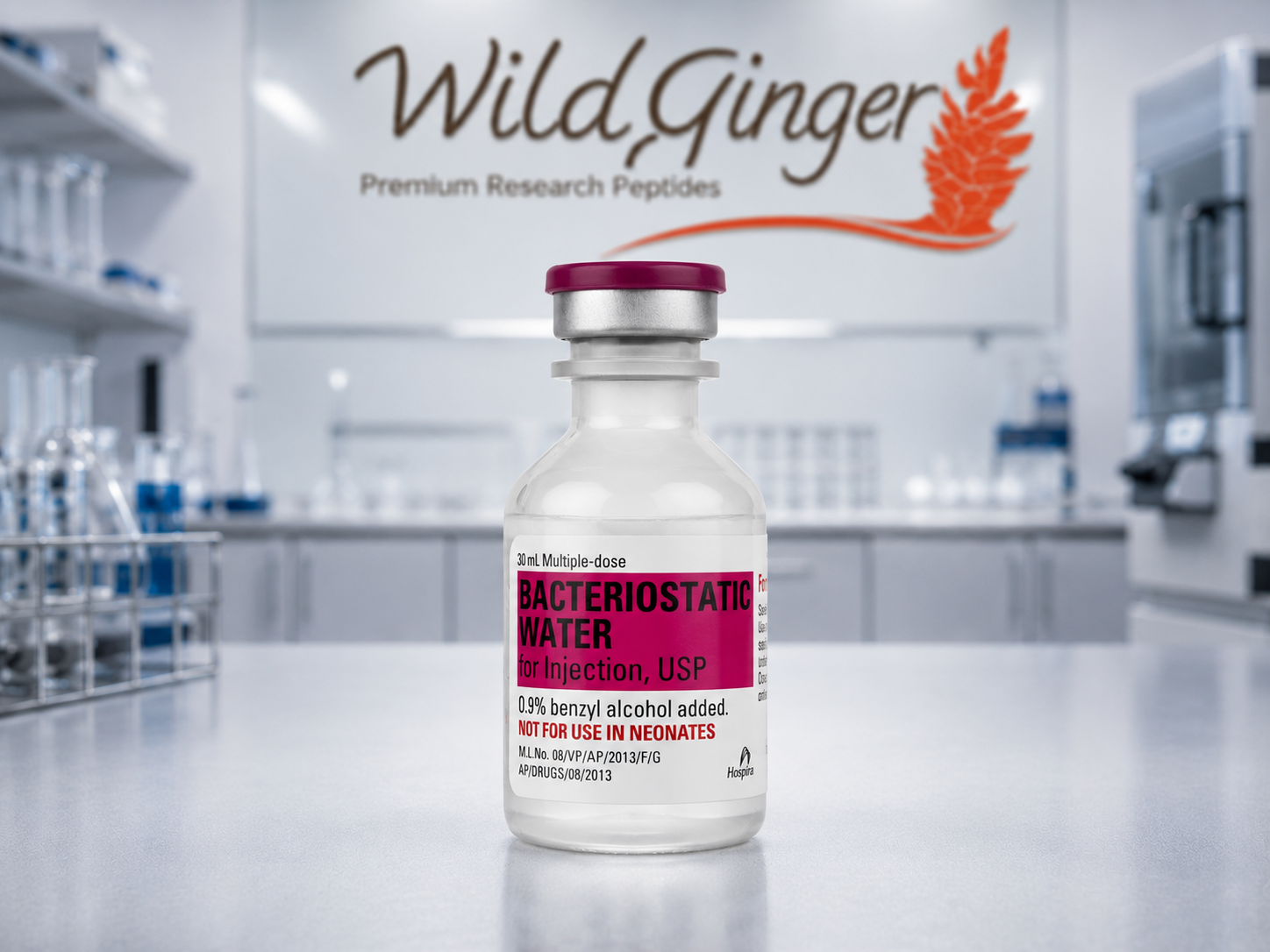
BAC Hospira
BAC WaterHospira BAC Water is a manufacturer-labelled bacteriostatic water product containing benzyl alcohol, supplied for laboratory, analytical, and research-use applications only. Commonly used in research settings as a diluent or reconstitution medium where a bacteriostatic aqueous solution is required. This product is supplied as labelled by the manufacturer. For research use only. Not supplied for human or animal use. Not for injection, treatment, diagnosis, or clinical application.
30ml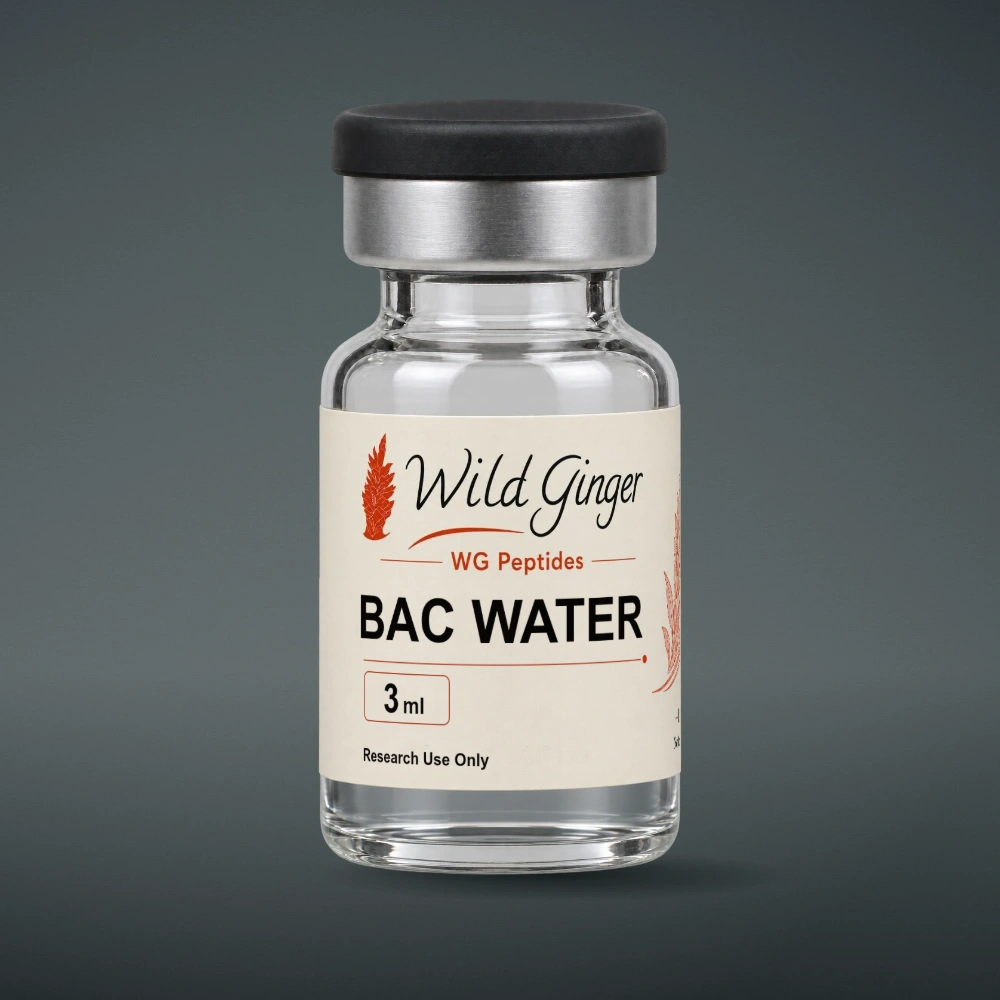
BAC Water
BAC WaterBacteriostatic Water (BAC Water) for Laboratory Research Product Profile and Chemical Mechanism Bacteriostatic Water is a highly purified, non-pyrogenic preparation of sterile water containing 0.9% (9 mg/mL) benzyl alcohol ($C7H8O$) added as a bacteriostatic preservative. In an in-vitro laboratory setting, the primary mechanism of action relies on the preservative properties of benzyl alcohol, which inhibits the metabolic and reproductive cycles of Gram-positive and Gram-negative bacteria. This creates a stabilized environment for sensitive research compounds, preventing microbial proliferation that could otherwise degrade volatile reagents or compromise the integrity of analytical assays. The solution is formulated with a slightly acidic pH (typically ranging from 4.5 to 7.0) to maintain chemical stability and compatibility with a wide array of lyophilized peptides and small molecules. Research Applications and Utility In preclinical research, Bacteriostatic Water serves as a specialized diluent for the reconstitution of lyophilized proteins, peptides, and various organic compounds intended for laboratory analysis. Unlike standard sterile water, which lacks antimicrobial agents and allows for rapid microbial growth once the vial vacuum is breached, BAC water allows for multiple draws from a single multi-dose container over a limited period. This makes it an essential supply for long-term longitudinal studies where consistent reagent concentrations must be maintained across multiple experimental iterations. Researchers utilize this medium to ensure that the chemical profile of the dissolved solute remains unaltered by biological contaminants, thereby securing the reproducibility of high-performance liquid chromatography (HPLC) or mass spectrometry (MS) results. Storage, Handling, and Stability For optimal performance, Bacteriostatic Water should be stored in a controlled environment, ideally at room temperature (15°C to 30°C / 59°F to 86°F), protected from direct sunlight and extreme thermal fluctuations. Before use, laboratory personnel should inspect the vial for clarity; any precipitation or discoloration indicates a compromise in the solution's integrity. Once the vial's septum has been punctured, it is recommended that the solution be utilized within 28 days to ensure the preservative potency remains within the specified range. It is important to note that benzyl alcohol may be incompatible with certain highly sensitive biological polymers or specific enzyme assays; therefore, compatibility should be verified through small-scale pilot tests before full reconstitution of rare research materials. WARNING: This product is intended for IN-VITRO LABORATORY AND RESEARCH USE ONLY. It is not for human or animal use. It is not for injection or clinical application. All research must be conducted by qualified professionals in a controlled laboratory setting.
BAC Water Premium Dr Glexx
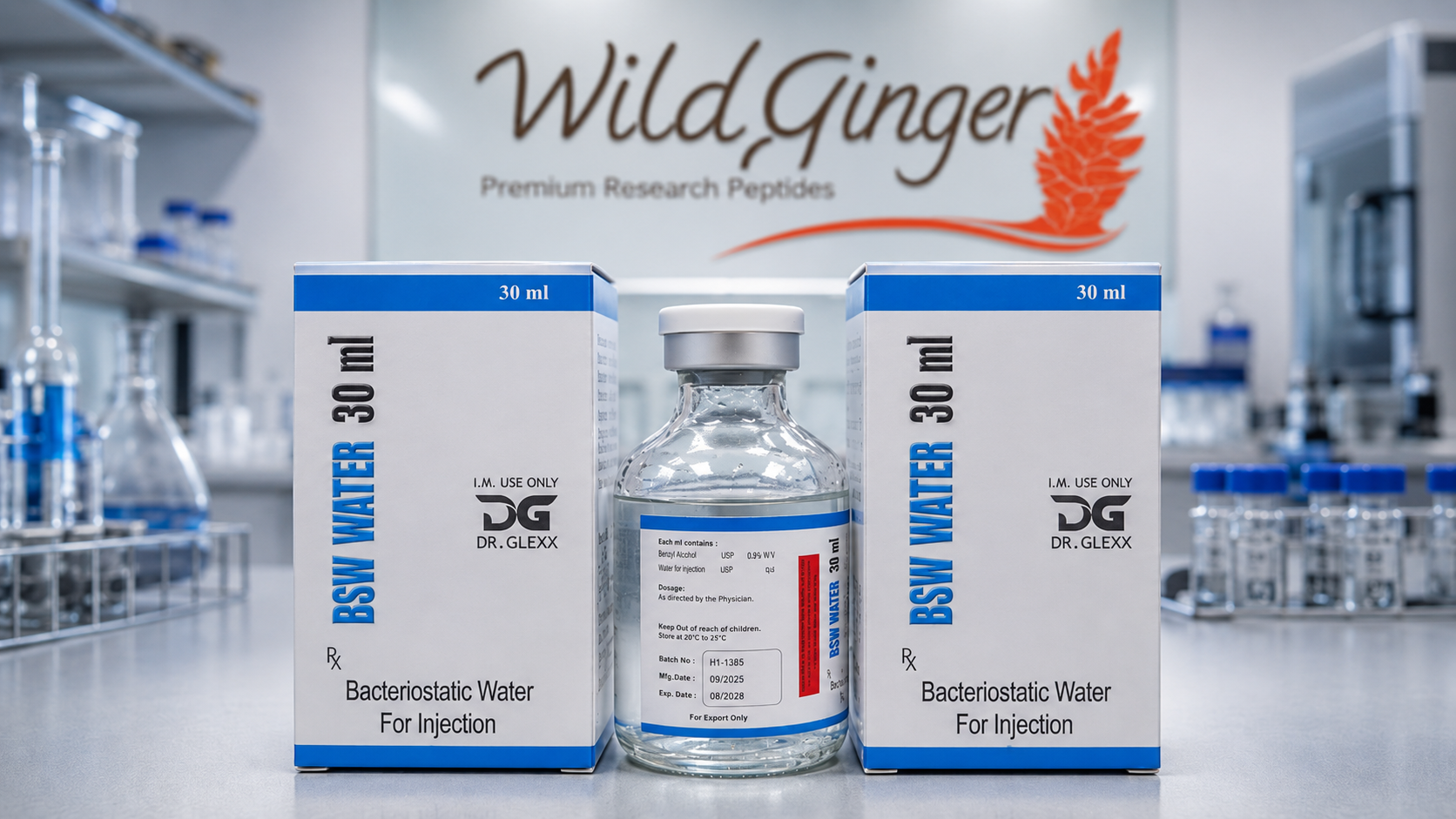
BAC WaterBSW Water 30 ml is bacteriostatic water supplied under the Dr. Glexx brand in a sealed 30 ml vial. It is commonly used as a diluent for reconstituting lyophilised research compounds where a preserved water-based solution is required. The manufacturer’s product information states that BSW Water contains benzyl alcohol as a bacteriostatic preservative. Please check the vial label for the exact concentration supplied, as this may vary by product version or batch. Bacteriostatic water has no active compound content of its own and is used purely as a solvent/diluent for research preparation. Manufacturer/product information: Dr. Glexx Pharmakem For research use only. Not for human or veterinary use.
30ml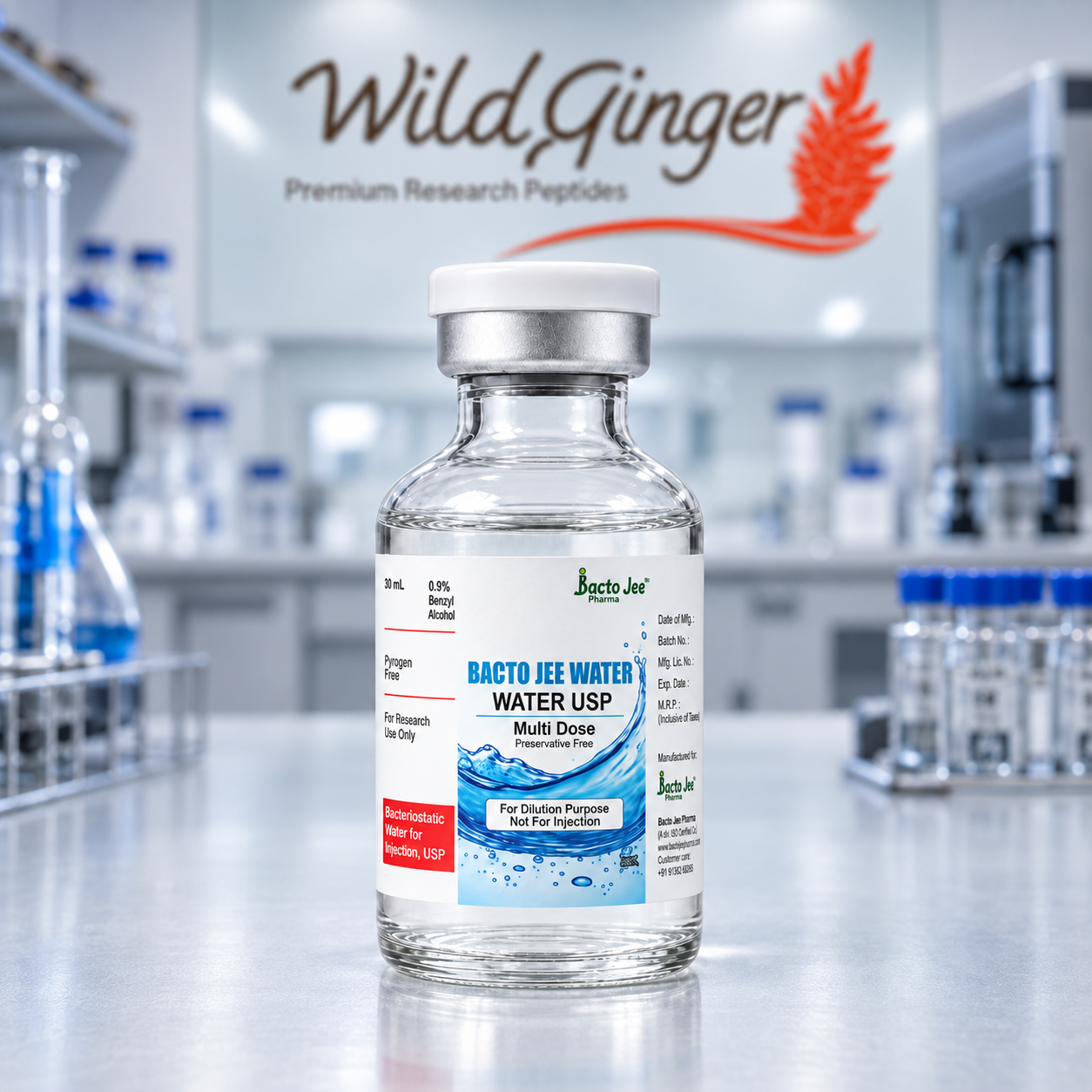
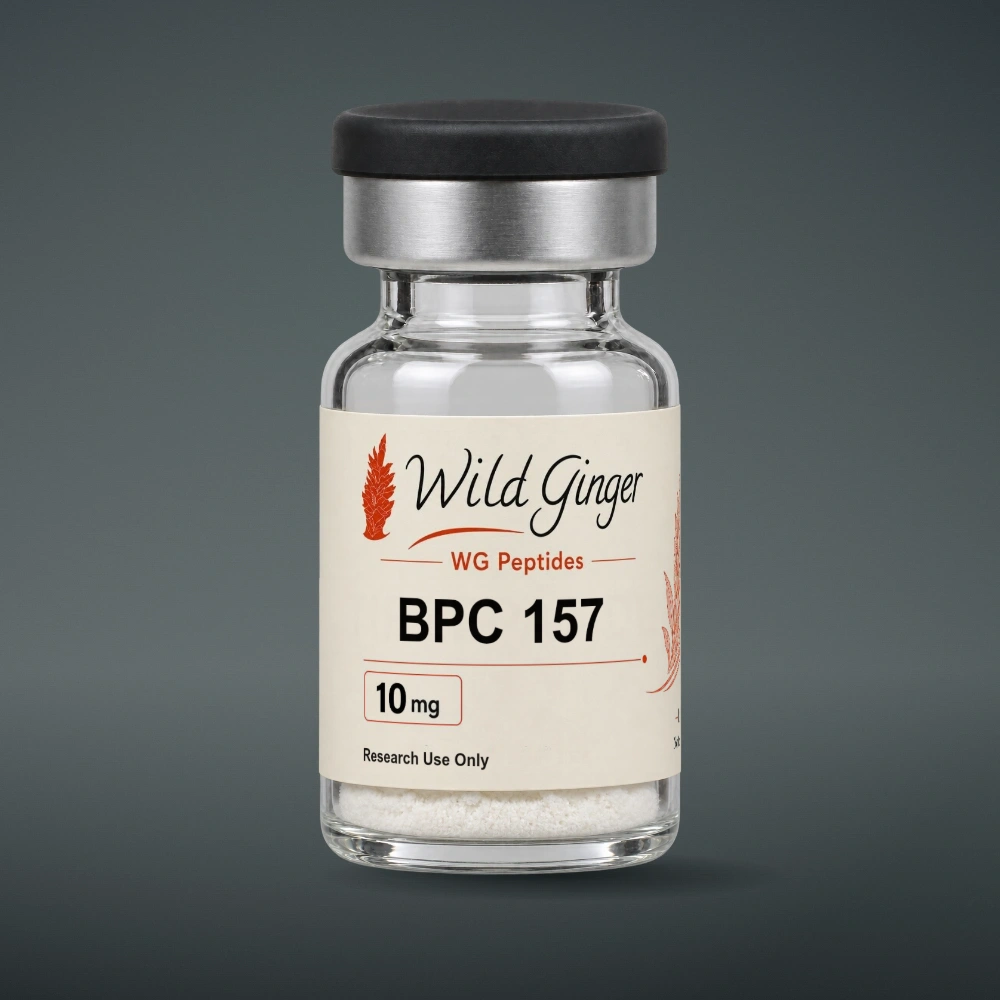
BPC 157
PeptidesBPC-157 (Body Protective Compound-157) BPC-157 is a pentadecapeptide consisting of 15 amino acids, derived from a partial sequence of human gastric juice protein. In the realm of biochemical research, this compound is classified as a cytoprotective agent with a diverse range of biological activities. Its primarily investigated mechanism of action involves the modulation of the nitric oxide (NO) synthesis pathway and the upregulation of vascular endothelial growth factor (VEGF) expression. By stimulating angiogenesis—the formation of new blood vessels—BPC-157 serves as a significant subject of interest in studies focusing on tissue repair kinetics, extracellular matrix (ECM) remodeling, and the acceleration of the healing cascade in musculoskeletal and gastrointestinal tissue models. Pharmacological research indicates that BPC-157 interacts with several regulatory systems, including the serotonergic and dopaminergic systems, as well as various growth factor receptors. Preclinical in-vitro models have demonstrated its capacity to enhance the proliferation and migration of fibroblasts and tenocytes, which are critical for the structural integrity of connective tissues. Furthermore, research suggests that the peptide may exert a stabilizing effect on the gut-brain axis and cellular integrity by counteracting oxidative stress and modulating the inflammatory cytokine response. These properties make it a prominent candidate for investigating the mitigation of chemically induced damage in various organ systems within controlled laboratory environments. For laboratory application, BPC-157 is typically provided as a lyophilized (freeze-dried) powder to ensure molecular stability. Unopened, the powder can be stored refrigerated at 2–8°C for use within weeks, or at −20°C for long-term storage, protected from light and moisture. Once reconstituted, store at 2–8°C, protected from light, and avoid repeated freeze-thaw cycles. Upon reconstitution with bacteriostatic water or sterile saline, the peptide becomes more sensitive to degradation and should be used promptly or stored refrigerated for a limited duration. To maintain the integrity of the peptide bonds, researchers should avoid vigorous agitation or vortexing of the solution; gentle swirling is recommended for homogenization. This product is intended strictly for in-vitro research and laboratory experimentation and is not for human or veterinary use.
10mg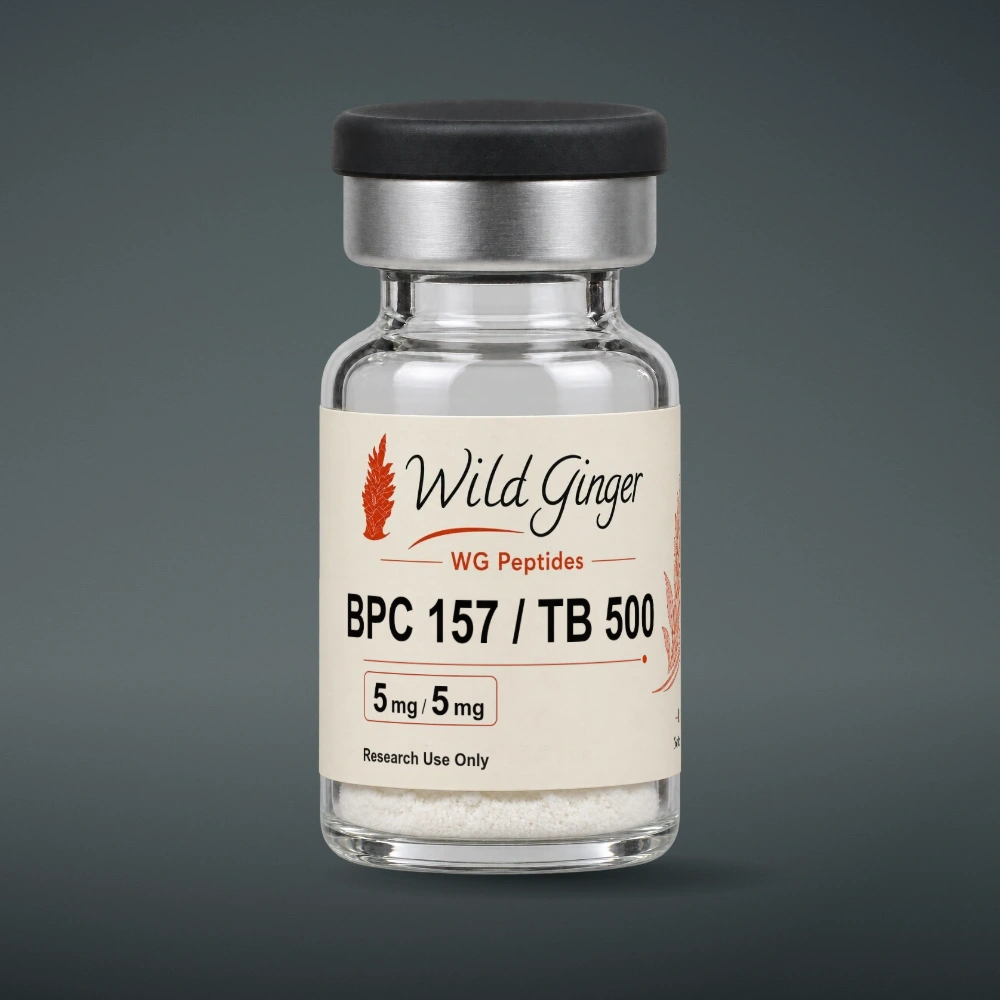
BPC 157 / TB 500 5mg/5mg
PeptidesBPC-157 / TB-500 Peptide Blend (Laboratory Grade) The BPC-157 / TB-500 blend is a synergistic combination of two distinct regenerative peptides currently being investigated for their complementary roles in tissue repair and cellular signaling. BPC-157 (Body Protection Compound 157) is a pentadecapeptide derived from human gastric protein, noted for its robust expression in the gastrointestinal tract and its modulation of the angiogenic response. TB-500 is a synthetic version of the naturally occurring Thymosin Beta-4 (Tβ4), a 43-amino acid peptide that serves as the main intracellular G-actin sequestering molecule. This blend allows researchers to investigate the concurrent modulation of disparate biochemical pathways involved in myofibrillar repair, endothelial cell migration, and the inflammatory response in in-vitro models. The primary mechanism of action for BPC-157 centers on the upregulation of growth factor expression, particularly Vascular Endothelial Growth Factor (VEGF), and its influence on the nitric oxide (NO) signaling pathway. Research suggests BPC-157 promotes the activation of fibroblasts and the synthesis of collagen type I, essential for connective tissue modeling. Conversely, TB-500 operates by binding to G-actin, facilitating cell motility and actin polymerization. This mechanism is critical for the migration of endothelial cells and keratinocytes toward localized sites of injury. When utilized in a laboratory setting, this combination provides a dual-approach to studying the acceleration of angiogenesis and the regulation of the TGF-β signaling pathway, which is pivotal in preventing abnormal fibrotic tissue formation. For laboratory use, this peptide blend is typically provided as a lyophilized (freeze-dried) powder to ensure molecular stability and bioactivity. Reconstitution should be performed using bacteriostatic water or sterile physiological saline, with gentle swirling rather than vigorous agitation to prevent the denaturation of the peptide chains. Unopened, the powder can be stored refrigerated at 2–8°C for use within weeks, or at −20°C for long-term storage, protected from light and moisture. Once reconstituted, store at 2–8°C, protected from light, and avoid repeated freeze-thaw cycles. This product is intended for IN-VITRO LABORATORY RESEARCH USE ONLY. It is not for human consumption, clinical use, or diagnostic procedures.
10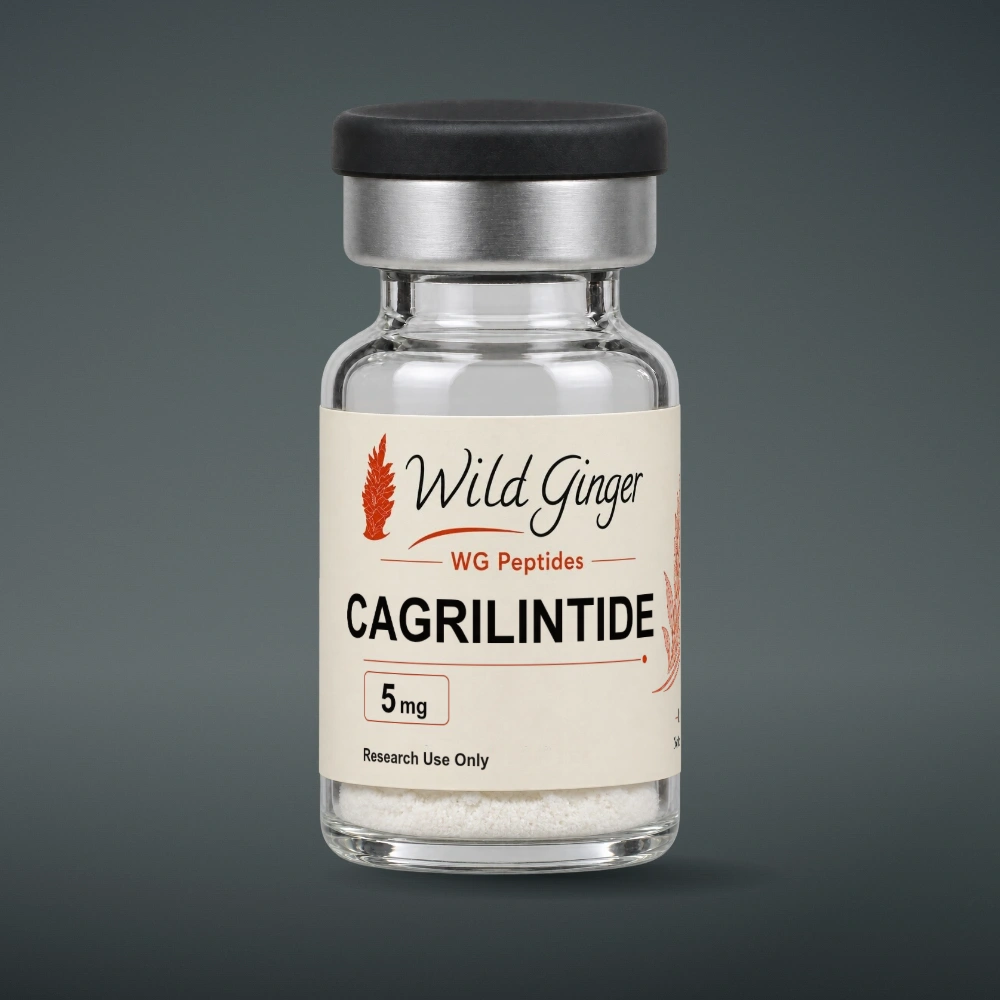
Cagrilintide
PeptidesCagrilintide (Research Grade Peptide) Cagrilintide is a long-acting amylin analogue and a potent non-selective amylin receptor agonist (AMYR) currently under investigation for its role in metabolic regulation and energy homeostasis. As a synthetic lipopeptide, Cagrilintide is engineered with a C18 fatty acid diacid side chain to enable albumin binding, significantly extending its pharmacokinetic half-life compared to endogenous amylin. Its primary mechanism of action involves the activation of the calcitonin receptor (CTR) and the receptor activity-modifying proteins (RAMPs), forming the AMY1, AMY2, and AMY3 receptor subtypes. In laboratory models, Cagrilintide has demonstrated the ability to modulate hindbrain signaling, specifically within the area postrema and the nucleus tractus solitarius, providing a robust pharmacological tool for studying central satiation pathways. In preclinical research, Cagrilintide is frequently utilized to examine the synergistic effects of amylin agonism when combined with glucagon-like peptide-1 (GLP-1) receptor agonists. Research interest focuses on its capacity to reduce food intake and modulate gastric emptying rates in rodent models, as well as its impact on glucose metabolism and lipid profile sequestration. Unlike native amylin, which is prone to aggregation and has a short duration of action, Cagrilintide’s structural modifications allow for sustained activation of amylin receptors, making it an ideal candidate for long-term longitudinal studies investigating the physiological underpinnings of obesity and metabolic syndrome at the cellular level. Laboratory Handling and Storage Cagrilintide is supplied as a lyophilized powder to ensure maximum conformational stability. For reconstitution, laboratory personnel should use bacteriostatic water or sterile phosphate-buffered saline (PBS), ensuring the vial is gently swirled rather than vigorously shaken to prevent peptide denaturation or the formation of air bubbles. Unopened, the powder can be stored refrigerated at 2–8°C for use within weeks, or at −20°C for long-term storage, protected from light and moisture. Once reconstituted, store at 2–8°C, protected from light, and avoid repeated freeze-thaw cycles. This compound is intended strictly for in-vitro research and laboratory experimentation and is not for human or veterinary use.
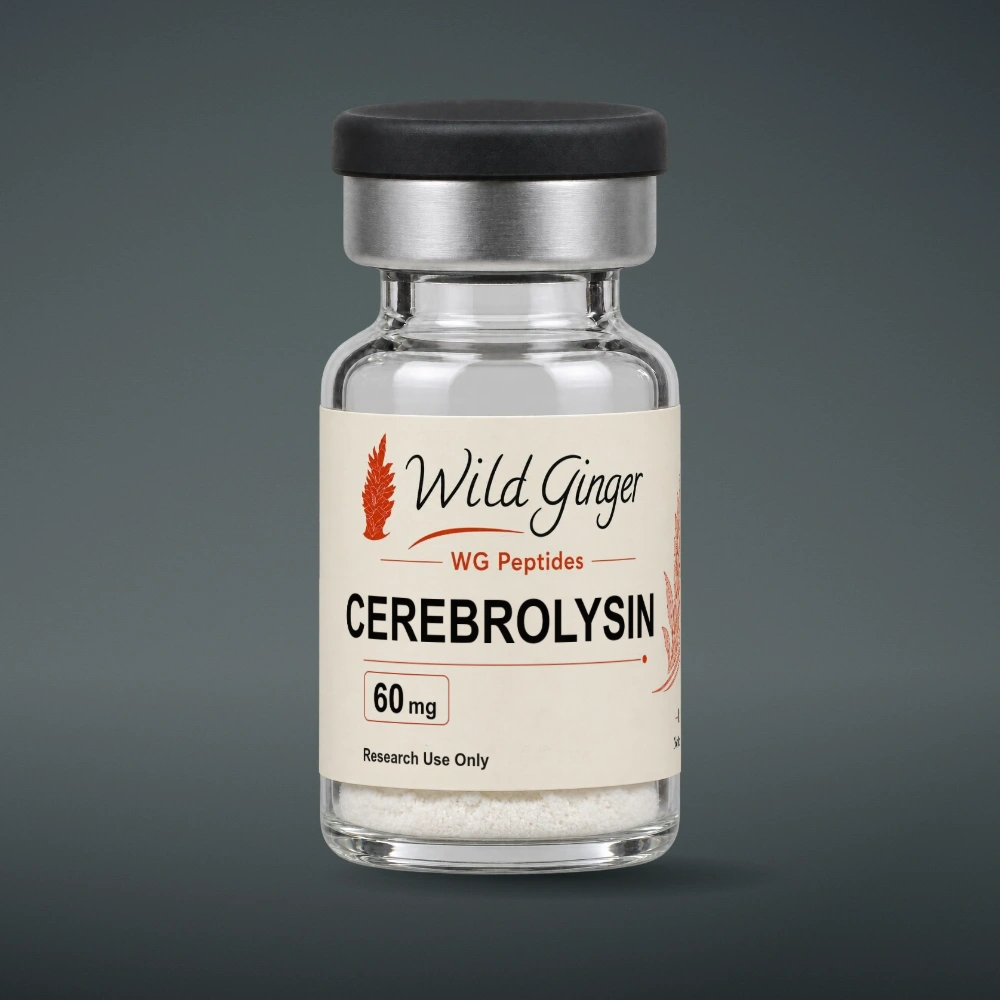
Cerebrolysin
PeptidesCerebrolysin (Research Grade) Cerebrolysin is a complex biotechnologically prepared peptide mixture produced by the standardized enzymatic breakdown of purified porcine brain proteins. Unlike single-molecule synthetic peptides, Cerebrolysin consists of approximately 15% low-molecular-weight peptides (typically under 10 kDa) and 85% free amino acids. In in vitro and laboratory research models, it is classified as a multimodal neurotrophic agent due to its ability to mimic the physiological activities of endogenous neurotrophic factors, such as Brain-Derived Neurotrophic Factor (BDNF), Nerve Growth Factor (NGF), and Ciliary Neurotrophic Factor (CNTF). Research primarily focuses on its ability to cross the blood-brain barrier (BBB) in specialized models and its potential to modulate cellular pathways involved in neuronal survival and synaptic plasticity. The pharmacodynamics of Cerebrolysin center on its ability to influence several key molecular pathways. Preclinical studies suggest that the compound acts as a neuroprotective agent by inhibiting the over-activation of calpain and reducing the production of reactive oxygen species (ROS), thereby mitigating oxidative stress-induced cellular apoptosis. Furthermore, Cerebrolysin has demonstrated the capacity to enhance neurogenesis and synaptogenesis in cell culture models by activating the PI3K/Akt signaling pathway and modulating the GSK-3β/β-catenin axis. These mechanisms make it a primary subject of interest in research involving neurodegenerative pathologies and the study of blood-brain barrier integrity. For laboratory applications, Cerebrolysin is supplied as a lyophilised powder requiring reconstitution with sterile 0.9% saline or bacteriostatic water. The compound is highly sensitive to thermal degradation and ultraviolet light; therefore, it must be stored at controlled temperatures (2°C to 8°C) and protected from direct light exposure. Researchers should avoid vigorous agitation during handling to prevent the denaturation of delicate peptide chains. This product is strictly intended for in vitro laboratory research and animal model studies only; it is not for human or veterinary diagnostic or therapeutic use.
60mg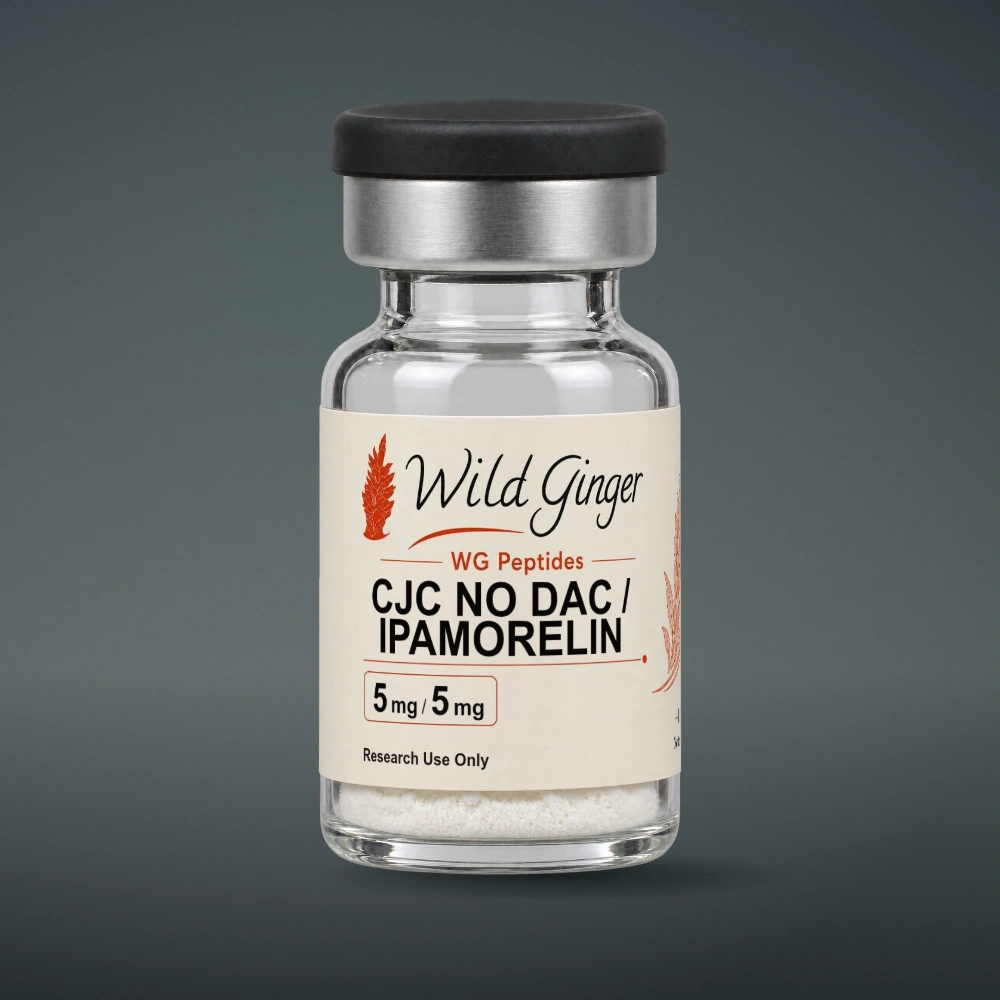
CJC no DAC / Ipamorelin
PeptidesCJC-1295 (No DAC) / Ipamorelin Blend: Laboratory Research Overview The CJC-1295 (No DAC) and Ipamorelin blend is a synergistic combination of two distinct growth hormone secretagogues (GHS) widely utilized in in-vitro studies to examine complex endocrine signaling pathways. CJC-1295 (No DAC), also known as Modified GRF (1-29), is a synthetic analog of endogenous Growth Hormone Releasing Hormone (GHRH). It functions by binding to the GHRH receptors on pituitary somatotropes, stimulating the production and release of growth hormone. Ipamorelin, a selective pentapeptide, acts as a potent agonist of the ghrelin/Growth Hormone Secretagogue Receptor (GHSR). By targeting two separate receptor populations concurrently, research suggests this combination produces a complementary signaling effect, leading to a more robust pulsatile release of GH than either compound alone, without significantly impacting prolactin or cortisol levels in laboratory models. In preclinical research environments, this peptide blend is primarily investigated for its impact on cellular metabolism, protein synthesis, and tissue regeneration markers. Scientists utilize the blend to study the downstream effects of elevated IGF-1 (Insulin-like Growth Factor 1) expression in various cell lines. Unlike the "DAC" (Drug Affinity Complex) version of CJC-1295, which provides a long-acting, continuous elevation of hormone levels, the "No DAC" variant exhibits a much shorter half-life. This allows researchers to simulate more natural, pulsatile physiological rhythms in experimental models. Current research applications also include investigating the role of GHSR activation in cytoprotection, bone mineral density modulation, and lipid metabolism within strictly controlled laboratory settings. Reconstitution and Storage Guidelines To maintain the structural integrity and bioactivity of the CJC-1295 / Ipamorelin blend, rigorous handling protocols must be observed. Unopened, the powder can be stored refrigerated at 2–8°C for use within weeks, or at −20°C for long-term storage, protected from light and moisture. Once reconstituted, store at 2–8°C, protected from light, and avoid repeated freeze-thaw cycles. For experimental use, reconstitution should be performed using bacteriostatic water or sterile physiological saline, avoiding vigorous mechanical agitation; gentle swirling is recommended to prevent peptide shearing. WARNING: This product is intended for IN-VITRO LABORATORY RESEARCH USE ONLY. It is not for human or veterinary use. All research must be conducted by qualified professionals in a controlled environment.
5mg/5mg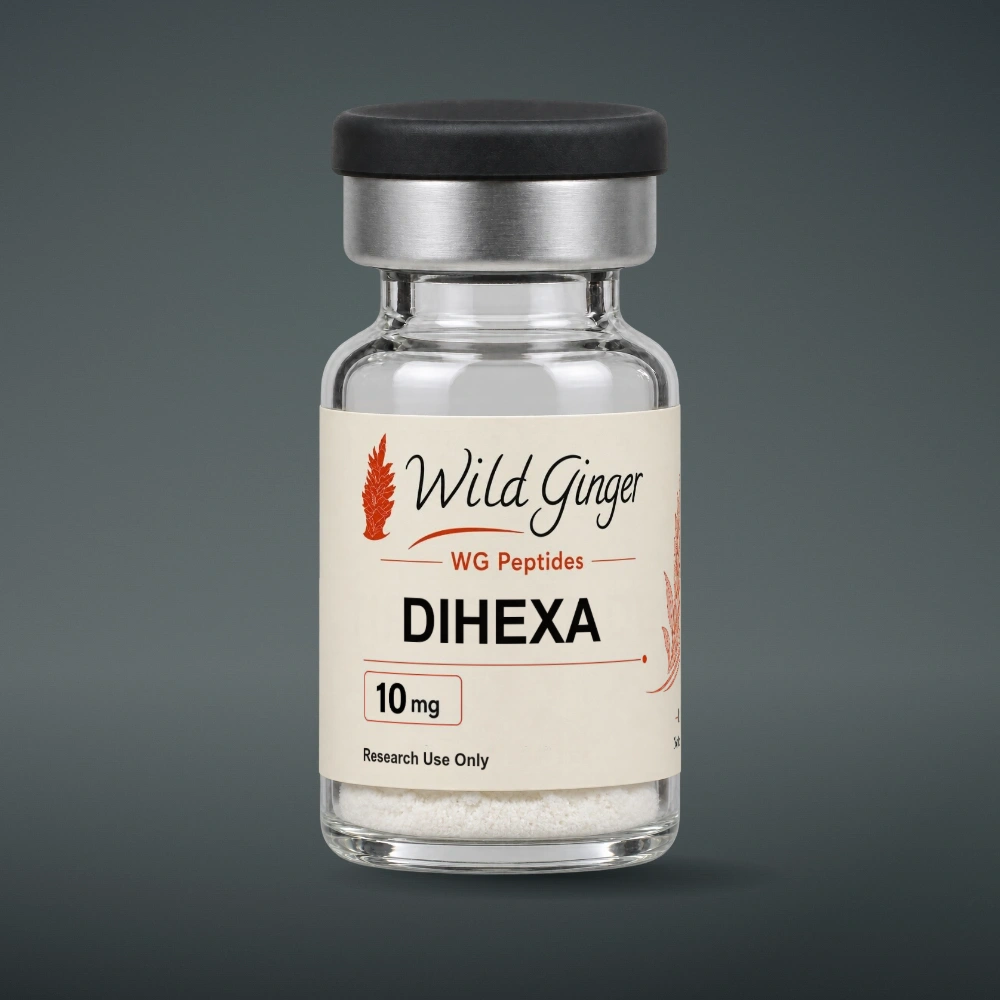
Dihexa
PeptidesProduct Name: Dihexa Chemical Classification: Angiotensin IV-derived Peptidomimetic Molecular Formula: $C{27}H{44}N{4}O{5}$ Scientific Overview and Mechanism of Action Dihexa is a high-affinity, small-molecule peptidomimetic derived from the N-terminal sequence of Angiotensin IV. In laboratory research settings, Dihexa is distinguished by its ability to act as a potent agonist of the Hepatocyte Growth Factor (HGF) and its high-affinity receptor, c-Met. Unlike many endogenous peptides, Dihexa was engineered to overcome the rapid metabolic degradation typical of linear peptide chains, demonstrating significantly enhanced metabolic stability. Its primary mechanism involves the potentiation of HGF signaling, which facilitates the dimerization of the c-Met receptor. Activation of the HGF/c-Met axis is a critical pathway in cellular biology, primarily associated with the induction of mitogenesis, motogenesis, and morphogenic activities across various cell lines. Preclinical Research Interest Research interest in Dihexa centers largely on its influence on synaptogenesis and cellular repair mechanisms within in vitro models. Preclinical studies have focused on the compound’s ability to promote the formation of new functional synaptic connections—a process observed to occur at picomolar concentrations. Unlike standard neurotrophic factors, such as Brain-Derived Neurotrophic Factor (BDNF), Dihexa exhibits a capacity to enhance spinogenesis and synapse formation in primary neuronal cultures with high potency. Furthermore, researchers utilize Dihexa to investigate its potential in mitigating cellular damage induced by neurotoxic stressors, making it a valuable tool for studying tissue regeneration, cellular signaling cascades, and the structural plasticity of neuronal architectures. Handling, Reconstitution, and Storage Unopened, the powder can be stored refrigerated at 2–8°C for use within weeks, or at −20°C for long-term storage, protected from light and moisture. Once reconstituted, store at 2–8°C, protected from light, and avoid repeated freeze-thaw cycles. For in vitro laboratory use, the compound is typically reconstituted in Dimethyl Sulfoxide (DMSO) or ethanol, as it exhibits limited solubility in purely aqueous buffers. To maintain the integrity of the compound, it is essential to minimize exposure to direct light and ensure all handling is performed using aseptic laboratory techniques. DISCLAIMER: This product is intended for IN-VITRO RESEARCH AND LABORATORY USE ONLY. This compound is not a drug, food, or cosmetic and may not be used for human or veterinary administration. All research must be conducted by qualified professionals in a controlled laboratory environment.
10mg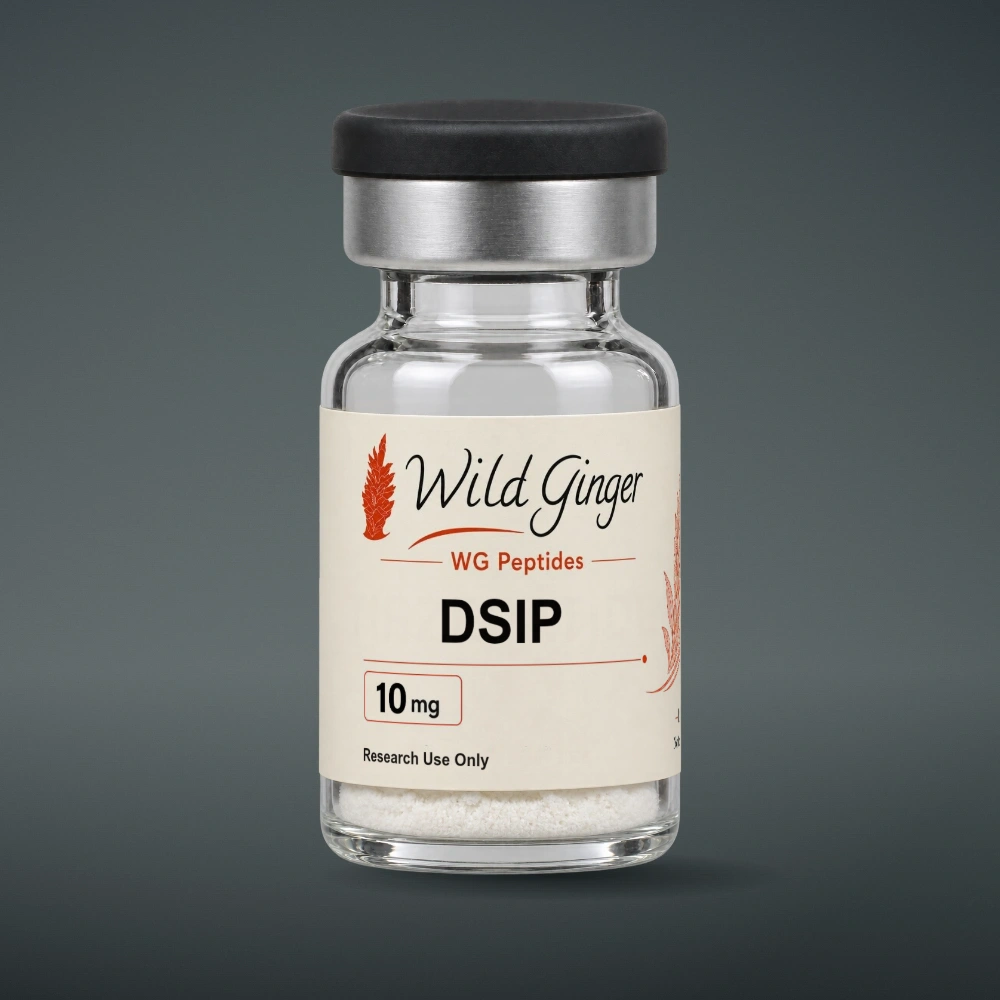
DSIP
PeptidesDSIP – Delta Sleep-Inducing Peptide DSIP, short for Delta Sleep-Inducing Peptide, is a naturally occurring neuropeptide that has been studied for its role in sleep regulation, circadian rhythm signalling, stress response, and wider neuroendocrine activity. In research settings, DSIP is of interest due to its potential involvement in sleep architecture, particularly delta-wave sleep, as well as its interactions with hormonal and nervous system pathways. It has also been explored in relation to stress adaptation, recovery signalling, and regulatory mechanisms within the central nervous system. Our DSIP is supplied as a lyophilised research compound for laboratory use only. For research use only. Not for human or veterinary use.
10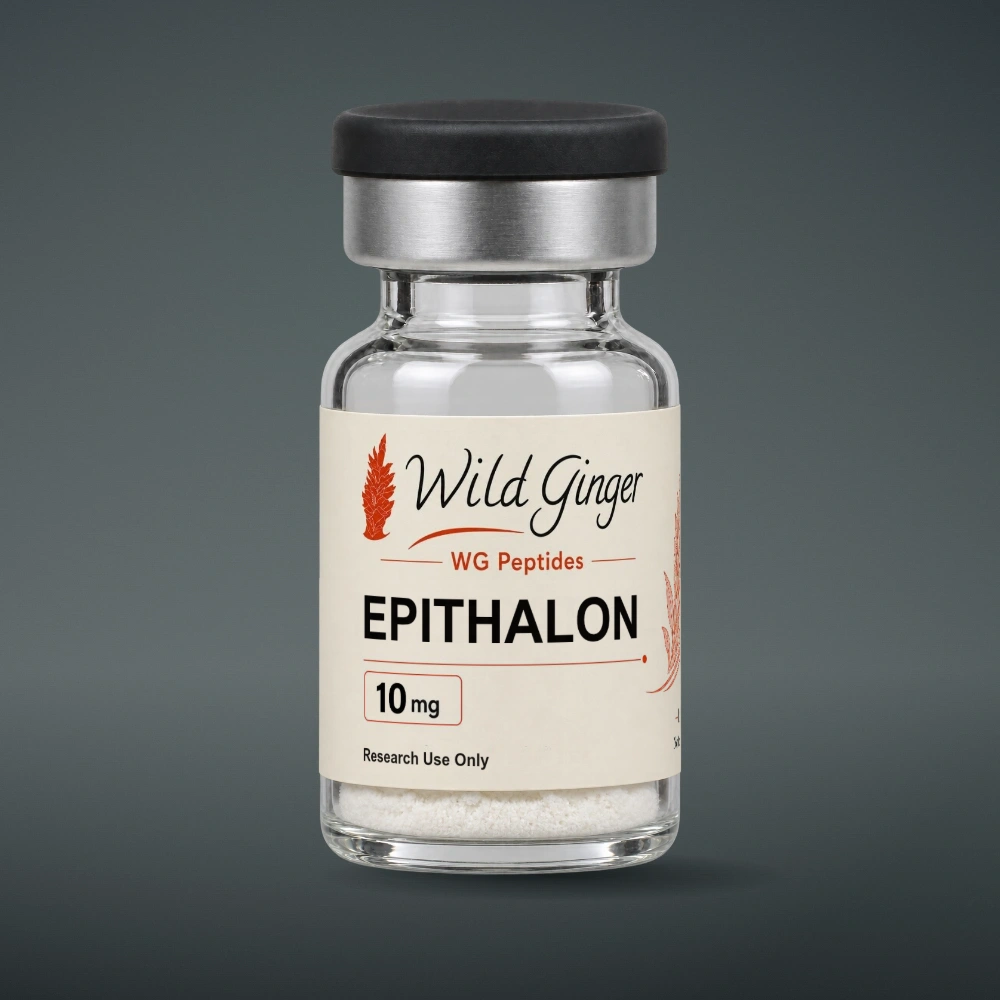
Epithalon
PeptidesEpithalon (Epithalamin) – Research Overview Epithalon (alanyl-glutamyl-aspartyl-glycine) is a synthetic tetrapeptide derived from epithalamin, a natural regulatory peptide produced in the pineal gland. In the context of molecular biology and gerontological research, Epithalon is primarily investigated for its putative role as a telomerase activator. Its mechanism of action centers on the modulation of telomerase activity (specifically the hTERT gene expression), which allows for the elongation of telomeres—the protective nucleotide sequences at the ends of chromosomes. By facilitating the maintenance of telomeric length, Epithalon is a key compound of interest in studies focusing on cellular senescence, genomic stability, and the potential reversal of age-related cellular degradation in vitro. Beyond its interaction with telomeres, Epithalon is frequently utilized in laboratory settings to explore the synchronization of circadian rhythms and pineal gland function. Research suggests the peptide may influence the synthesis of endogenous melatonin and restore the sensitivity of the hypothalamus to hormonal feedback loops. Studies observed in murine and avian models have evaluated its impact on antioxidant enzyme activity, such as superoxide dismutase (SOD) and glutathione peroxidase, suggesting a secondary role in mitigating oxidative stress at the cellular level. This multifaceted pharmacological profile makes Epithalon a primary candidate for research into oncogenesis inhibition and lifespan extension in preclinical experimental models. Laboratory Handling and Storage Recommendations Epithalon is supplied as a lyophilized (freeze-dried) white powder to ensure maximum stability. For research applications, it should be reconstituted using sterile bacteriostatic water or phosphate-buffered saline (PBS), depending on the specific requirements of the experimental protocol. Unopened, the powder can be stored refrigerated at 2–8°C for use within weeks, or at −20°C for long-term storage, protected from light and moisture. Once reconstituted, store at 2–8°C, protected from light, and avoid repeated freeze-thaw cycles. To maintain the integrity of the peptide bonds, researchers should avoid vigorous agitation or vortexing of the vial. Product intended for IN-VITRO LABORATORY RESEARCH USE ONLY. Not for human or veterinary diagnostic or therapeutic use.
10mg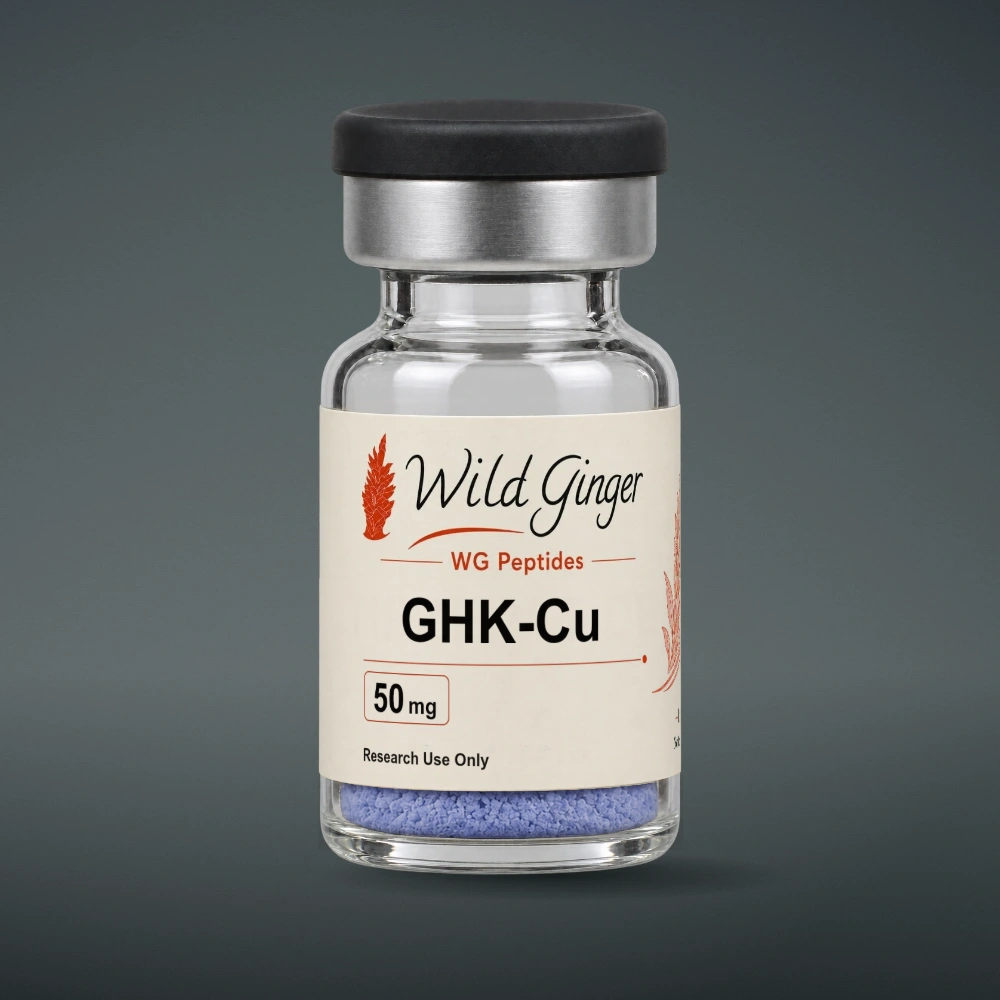
GHK-CU
PeptidesGHK-Cu (Glycyl-L-histidyl-L-lysine Copper) GHK-Cu is a naturally occurring tripeptide-copper complex originally isolated from human plasma, now synthesized for rigorous in-vitro investigation. In laboratory settings, GHK-Cu is studied primarily for its high affinity for divalent copper (Cu2+), acting as a specialized carrier peptide that facilitates the cellular uptake of copper—a critical cofactor for numerous enzymatic processes. The biochemical profile of GHK-Cu is defined by its ability to modulate the expression of an extensive array of genes, particularly those associated with the remodeling of the extracellular matrix (ECM). Research indicates that the complex may influence the activity of matrix metalloproteinases (MMPs) and their inhibitors (TIMPs), suggesting a regulatory role in the synthesis and degradation of collagen and elastin fibers within cellular scaffolds. At the molecular level, GHK-Cu is a subject of intense interest regarding its potential to influence various signal transduction pathways. Preclinical models have explored its impact on the TGF-beta signaling pathway and its ability to stimulate the proliferation of fibroblasts and keratinocytes in vitro. Furthermore, investigators utilize GHK-Cu to study antioxidant mechanisms, as the complex has demonstrated the capacity to quench lipid peroxidation products and reduce the production of free radicals in managed laboratory environments. Its role in modulating inflammatory markers—specifically by influencing the expression of pro-inflammatory cytokines such as IL-1 and TNF-alpha—remains a cornerstone of its pharmacological evaluation in cellular biology. For laboratory applications, GHK-Cu is typically provided as a lyophilized powder to ensure maximum structural integrity. It is highly soluble in aqueous solutions, including bacteriostatic water or phosphate-buffered saline (PBS). Unopened, the powder can be stored refrigerated at 2–8°C for use within weeks, or at −20°C for long-term storage, protected from light and moisture. Once reconstituted, store at 2–8°C, protected from light, and avoid repeated freeze-thaw cycles. To maintain the stability of the copper-peptide bond, researchers should avoid exposing the compound to extreme pH levels or high temperatures. This compound is strictly for in-vitro research and laboratory use only; it is not intended for human or veterinary diagnostic or therapeutic applications.
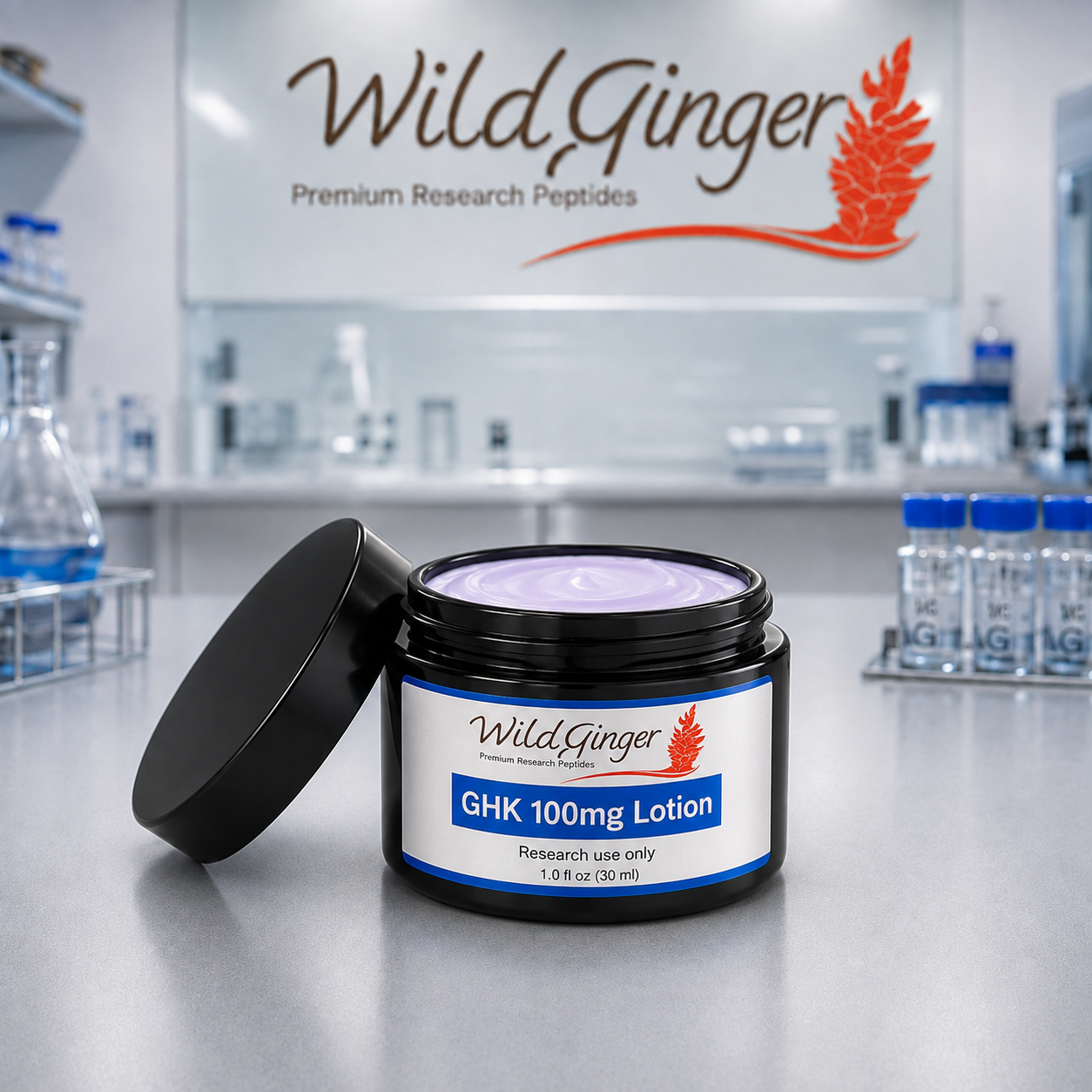
GHK-CU Lotion
Peptides100mg GHK-Cu to 30ml lotion. A smooth topical base suitable for laboratory formulation and cosmetic research. Designed to disperse research compounds evenly and provide a consistent, easy-to-apply gel texture.
100mg
GLOW
PeptidesGLOW research blend GLOW is a multi-component lyophilised research blend, not a single peptide with its own chemical structure. The vial label lists 3 components at the following nominal quantities (70mg total per vial): - BPC-157 — 10mg - GHK-Cu — 50mg - TB-500 — 10mg These are nominal label quantities. They have not been independently measured for the stock offered, and no batch-linked laboratory report is currently published for this product. Each component is a separately characterised compound. Researchers studying combined preparations in in-vitro models should refer to the published literature for each component individually. Storage: keep lyophilised vials sealed, dry and protected from light. Refrigerated storage at 2–8°C is commonly used for short-term storage and −20°C for longer-term storage. Follow applicable manufacturer data and your laboratory's validated protocol. For laboratory research use only. Not for human or animal consumption.
70mg Glow : BPC 157 10mg+GHK-CU 50mg+TB500 10mg
Glutathione
PeptidesManufacturer-labelled reduced glutathione vial supplied for laboratory, analytical, and research-use applications only. Each vial is presented in original manufacturer-style packaging and labelled as Reduced Glutathione 1.5g. Suitable for researchers requiring a glutathione reference material for non-clinical study, formulation research, comparison, or analytical evaluation. For research use only. Not supplied for human or animal use. Not for injection, treatment, diagnosis, cosmetic use, supplementation, or clinical application.
1500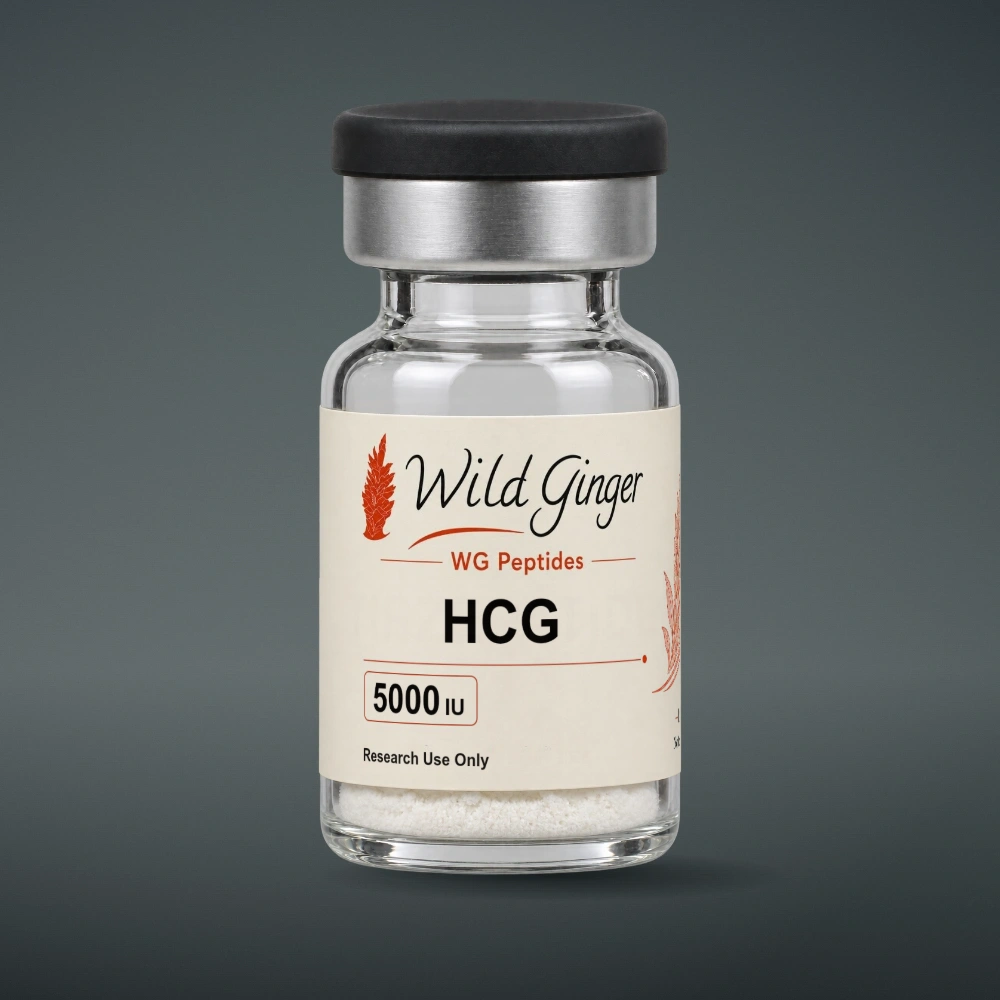
HCG
PeptidesHCG (human chorionic gonadotrophin) is supplied in sealed vials in 5000IU, 6900IU and 10000IU strengths. Prices and stock are shown for each strength. Orders are dispatched from the UK with tracked delivery. HCG acts at the luteinising hormone/chorionic gonadotrophin receptor (LH/CG receptor). Laboratory studies investigate its role in receptor signalling and hormone production.
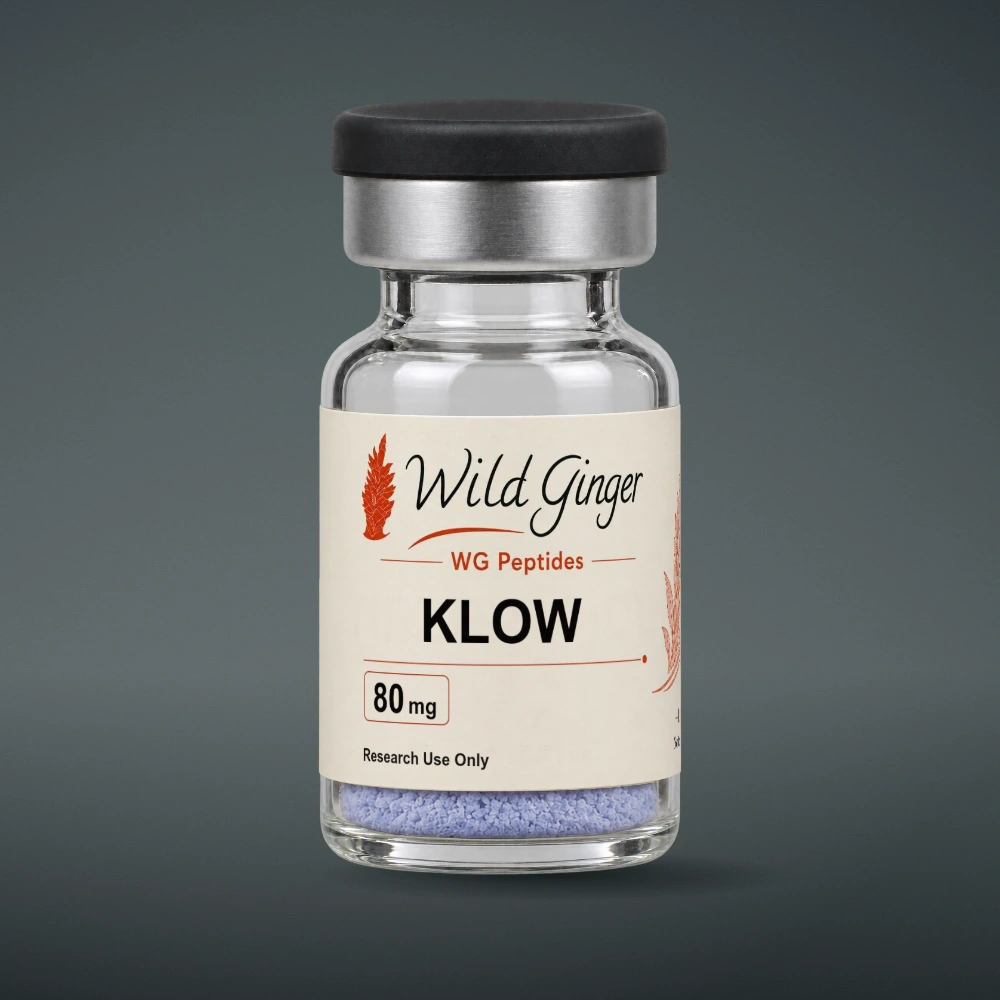
KLOW
PeptidesKLOW research blend KLOW is a multi-component lyophilised research blend, not a single peptide with its own chemical structure. The vial label lists 4 components at the following nominal quantities (80mg total per vial): - BPC-157 — 10mg - GHK-Cu — 50mg - TB-500 — 10mg - KPV — 10mg These are nominal label quantities. They have not been independently measured for the stock offered, and no batch-linked laboratory report is currently published for this product. Each component is a separately characterised compound. Researchers studying combined preparations in in-vitro models should refer to the published literature for each component individually. Storage: keep lyophilised vials sealed, dry and protected from light. Refrigerated storage at 2–8°C is commonly used for short-term storage and −20°C for longer-term storage. Follow applicable manufacturer data and your laboratory's validated protocol. For laboratory research use only. Not for human or animal consumption.
80mg Klow: BPC 157 10mg+GHK-CU 50mg+TB500 10mg+KPV 10mg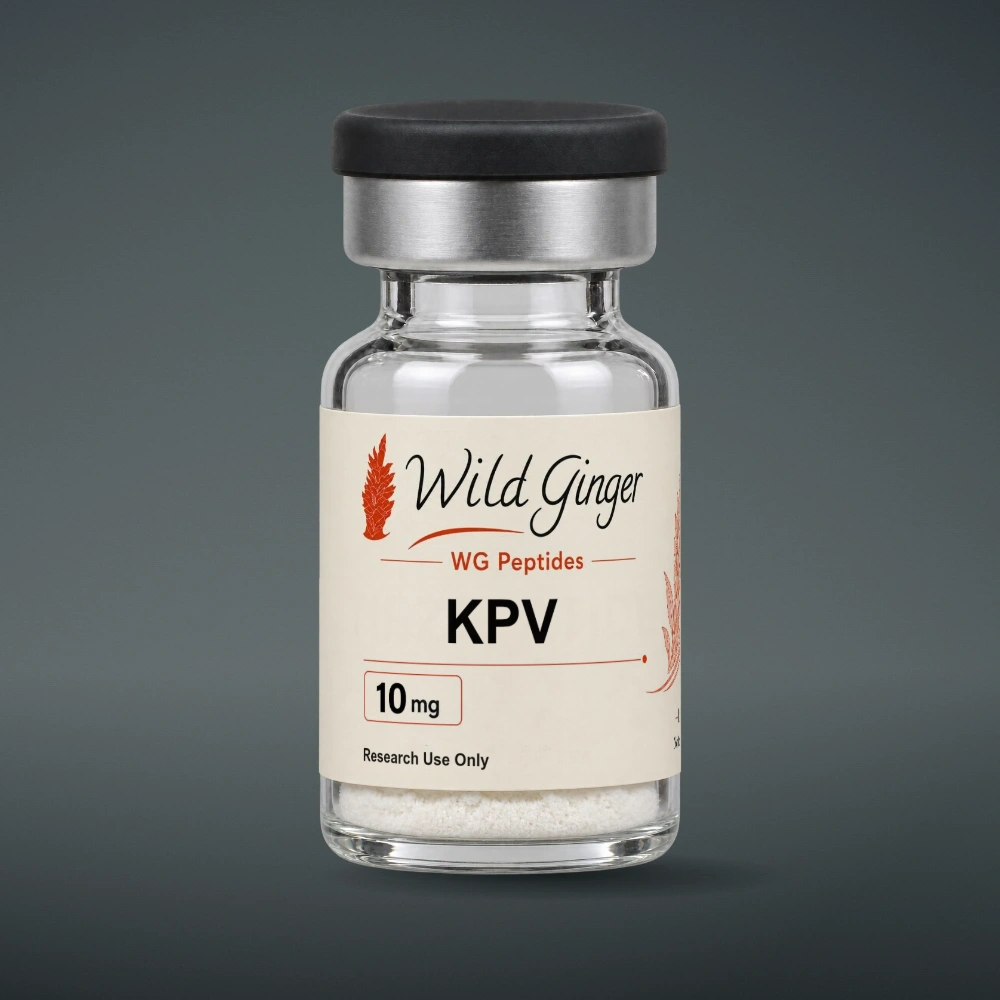
KPV
PeptidesKPV (Lysine-Proline-Valine) Research Peptide KPV is a specialized tripeptide derived from the C-terminal fragment of alpha-Melanocyte-Stimulating Hormone ($\alpha$-MSH). Despite its structural simplicity, KPV retains significant biological activity independent of the classical melanocortin receptor (MCR) signaling pathways typically associated with $\alpha$-MSH. In vitro research suggests that KPV exerts its effects primarily by modulating the NF-$\kappa$B (nuclear factor kappa-light-chain-enhancer of activated B cells) signaling pathway and dampening the production of pro-inflammatory cytokines. Unlike its parent molecule, KPV does not appear to bind significantly to MC1R or MC3/4R, making it a subject of intense investigation for its localized intracellular activity and its ability to traverse cellular membranes via PepT1 transporters. The mechanism of action for KPV in laboratory settings centers on its ability to enter cells and interact with specific signaling cascades. Research indicates that KPV can inhibit the translocation of p65 into the nucleus, thereby preventing the transcription of inflammatory genes such as TNF-$\alpha$, IL-6, and IL-1$\beta$. In preclinical models involving intestinal epithelial cells and dermal fibroblasts, KPV has demonstrated a capacity to stabilize cellular homeostatic processes and mitigate oxidative stress. These properties make it a high-interest candidate for studies focused on wound healing dynamics, epithelial barrier integrity, and the regulation of inflammatory responses at the molecular level. Product Handling and Storage: This product is supplied as a lyophilized (freeze-dried) powder for maximum stability. Unopened, the powder can be stored refrigerated at 2–8°C for use within weeks, or at −20°C for long-term storage, protected from light and moisture. Once reconstituted, store at 2–8°C, protected from light, and avoid repeated freeze-thaw cycles. For laboratory use, KPV should be reconstituted with sterile, bacteriostatic water or a buffered saline solution (e.g., PBS). Proper aseptic technique and PPE are required when handling this research compound to ensure experimental accuracy and personal safety. WARNING: This product is intended for IN-VITRO RESEARCH AND LABORATORY USE ONLY. It is not for human or veterinary use. It must not be consumed, injected, or used for clinical applications.
10mg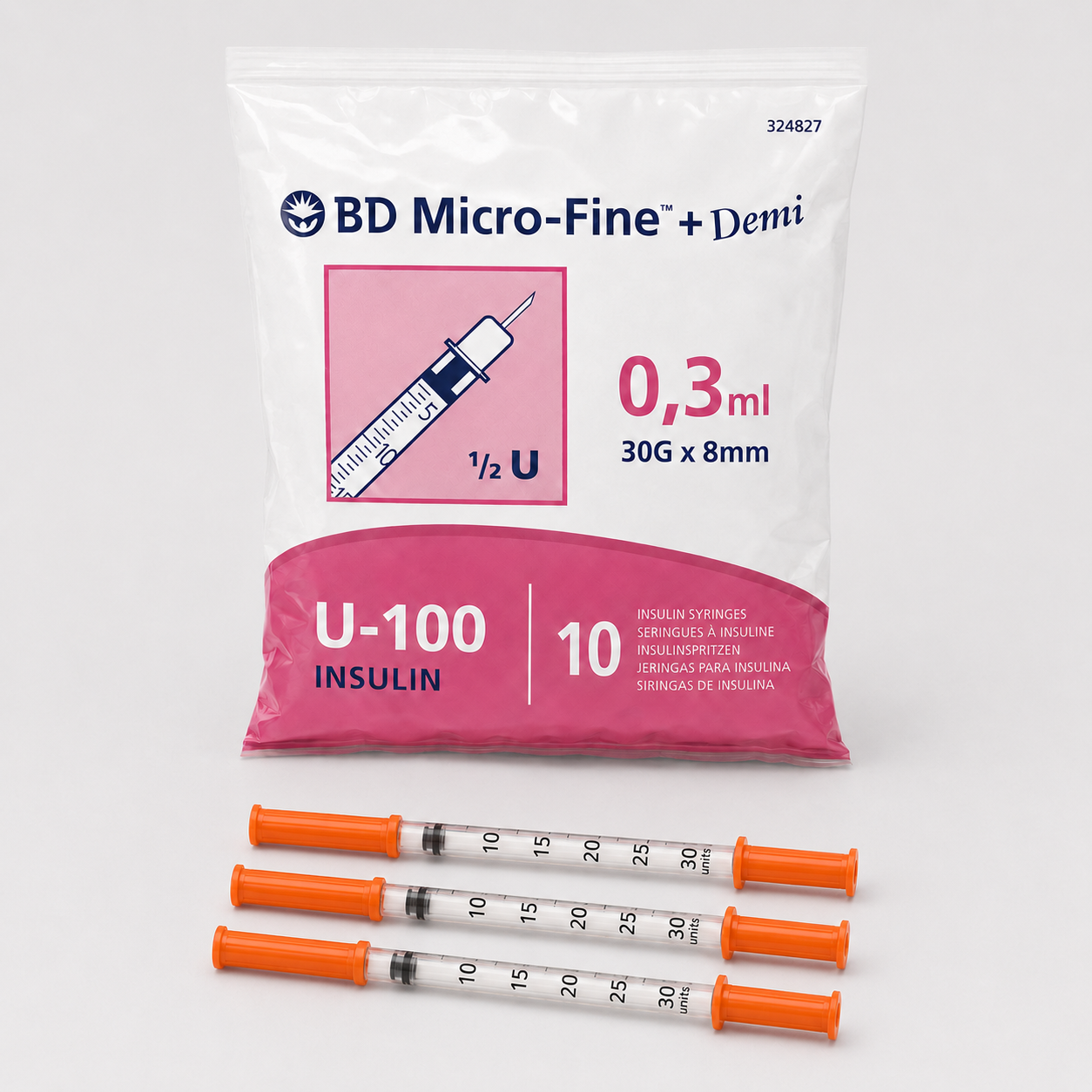
Micro-Fine Mixing Syringe
Laboratory SuppliesMicro-Fine+ 1 ml sterile syringes are supplied as a sealed bag of 10 sterile, single-use U-100 insulin syringes. Each syringe is fitted with a fine 29G needle and marked barrel for accurate measurement of liquid volumes. These syringes are suitable for research-use preparation and measurement where small-volume liquid handling is required. Specification 1 ml syringe U-100 markings 29G needle 12.7 mm needle length Sterile, single-use Bag of 10 syringes For research use only. Not for human or veterinary use.
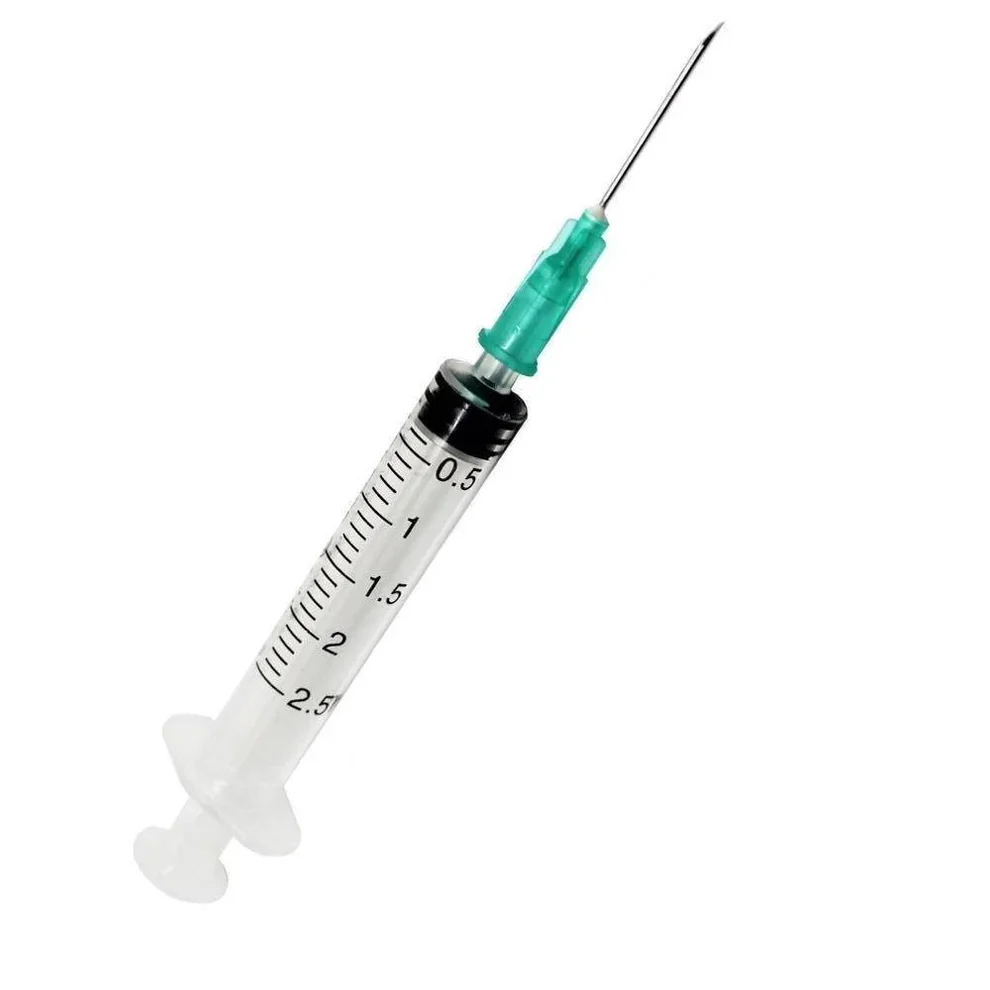
Mixing Syringe with Needle 3ml
Laboratory SuppliesHigh-quality Terumo 3-part syringe supplied with a 23G needle, suitable for accurate liquid measurement, mixing and sample preparation in laboratory and research environments. Product Features: Manufactured by Terumo 3ml syringe capacity 23G needle included 3-part design for smooth, controlled operation Clear barrel with graduated measurement markings Intended Use: Laboratory research, solution preparation, liquid mixing and controlled fluid transfer.
3ml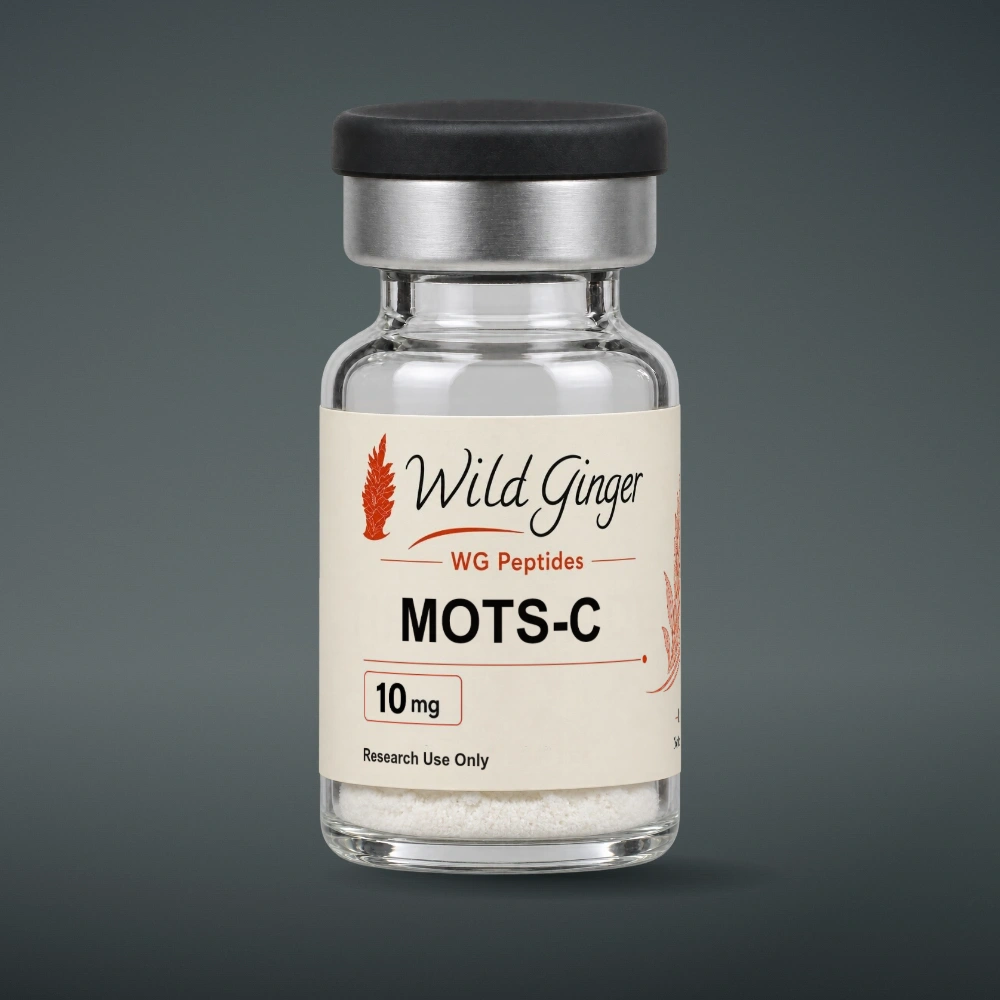
MOTS-C
PeptidesMOTS-c (Mitochondrial Open Reading Frame of the 12S rRNA Type-c) MOTS-c is a mitochondrial-derived peptide (MDP) studied in laboratory models of signalling between mitochondria and the nuclear genome. Comprising 16 amino acids, MOTS-c is encoded within the mitochondrial DNA (mtDNA) rather than the nuclear DNA, specifically within the 12S ribosomal RNA locus. In laboratory settings, this peptide serves as a mitochondrial signaling hormone that translocates to the nucleus under stress conditions, where it acts as a transcription factor to modulate nuclear gene expression. Its primary mechanism of action involves the activation of the 5'-adenosine monophosphate-activated protein kinase (AMPK) pathway and the subsequent regulation of the folate-methionine cycle. Research interest in MOTS-c focuses on its capacity to enhance metabolic flexibility, promote fatty acid oxidation, and regulate glucose homeostasis at the cellular level. In vitro investigations utilize MOTS-c to explore the complex interplay of cellular energetics and proteostasis. Preclinical models have demonstrated the peptide’s role in promoting the expression of Glucose Transporter 4 (GLUT4) and enhancing the Myostatin/Decapentaplegic (SMAD) signaling pathways. Furthermore, researchers utilize MOTS-c to study its interactions with the ARE-binding transcription factor Nrf2, which is critical for the cellular antioxidant response. By influencing the levels of 5-aminoimidazole-4-carboxamide ribonucleotide (AICAR), MOTS-c acts as an endogenous metabolic regulator, making it a subject of significant interest in studies concerning cellular senescence, mitochondrial dysfunction, and lipid metabolism pathways within musculoskeletal and adipose tissue cultures. For laboratory use, MOTS-c is typically provided as a lyophilized white powder to ensure long-term stability. Unopened, the powder can be stored refrigerated at 2–8°C for use within weeks, or at −20°C for long-term storage, protected from light and moisture. Once reconstituted, store at 2–8°C, protected from light, and avoid repeated freeze-thaw cycles. Reconstitution should be performed using sterile bacteriostatic water or phosphate-buffered saline (PBS), depending on the specific requirements of the experimental protocol. Handling should be conducted under aseptic conditions to maintain the integrity of the peptide sequence and prevent enzymatic degradation. This product is intended for IN-VITRO LABORATORY RESEARCH USE ONLY. It is not for human consumption or clinical application.
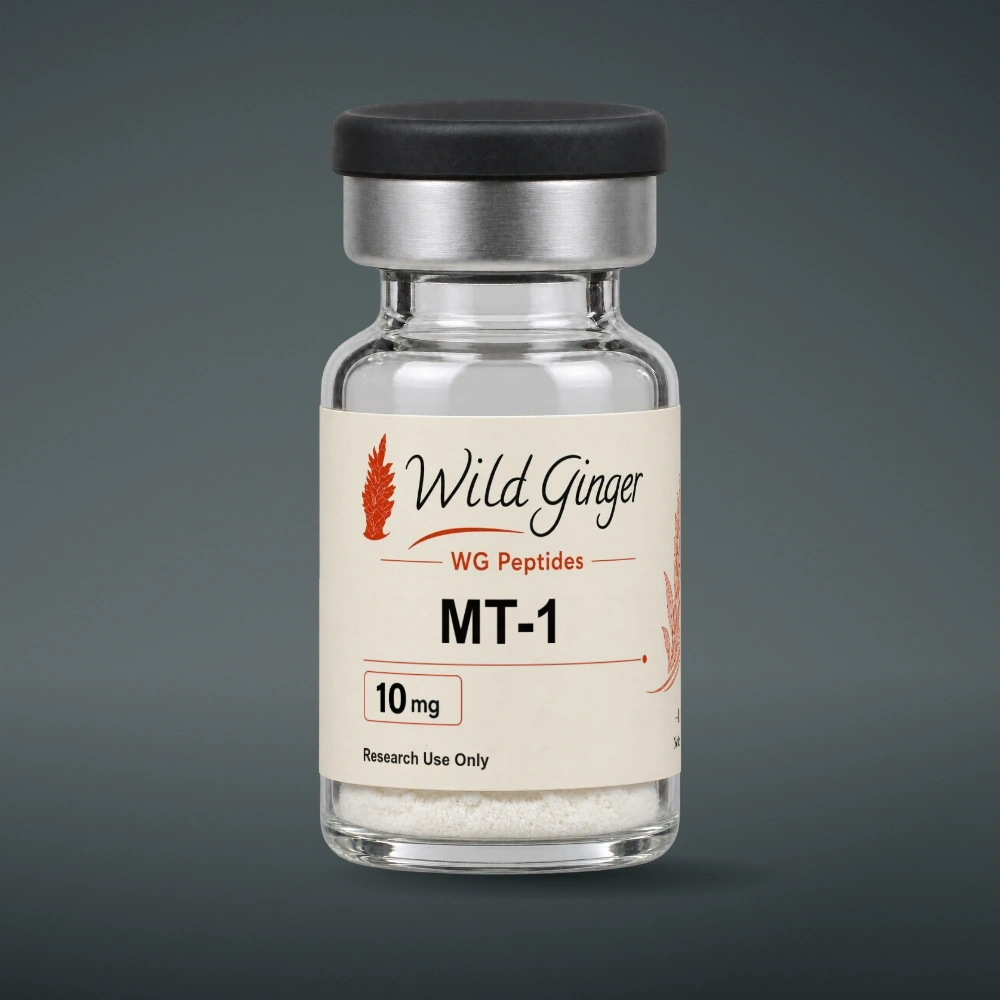
MT-1
PeptidesMT-1 (Melanotan 1) – Research Overview MT-1, a synthetic derivative of the endogenous peptide $\alpha$-melanocyte-stimulating hormone ($\alpha$-MSH), is a potent, non-selective agonist of melanocortin receptors (MCRs). Structurally, MT-1 is an analog of $\alpha$-MSH characterized by the replacement of specific amino acids to enhance metabolic stability and prolong its biological half-life compared to the native peptide. In laboratory settings, MT-1 primarily targets the MC1R, MC3R, MC4R, and MC5R isoforms. Its mechanism of action involves the activation of these G-protein coupled receptors (GPCRs), subsequently triggering the adenylate cyclase pathway and increasing intracellular cyclic adenosine monophosphate (cAMP) levels. This signaling cascade is central to studying melanogenesis, pigmentary shifts, and the regulation of metabolic homeostasis in cellular models. Research into MT-1 is predominantly focused on its role in photobiology and its protective effects against ultraviolet (UV) radiation at a cellular level. By stimulating the MC1R on melanocytes, MT-1 promotes the synthesis of eumelanin, a pigment with photoprotective properties, making it a critical tool for investigating DNA repair mechanisms and oxidative stress responses in skin-derived cell lines. Beyond pigmentation, the compound’s interaction with MC4R and MC3R allows researchers to explore its influence on systemic energy expenditure, lipid metabolism, and neuroendocrine signaling pathways. The compound’s high affinity for multiple MCR subtypes makes it an essential reagent for mapping receptor distribution and downstream physiological effects in diverse mammalian models. Reconstitution and Storage Guidelines MT-1 is supplied as a lyophilized white powder to ensure maximum conformational stability. For laboratory applications, it should be reconstituted using sterile bacteriostatic water or phosphate-buffered saline (PBS), depending on the requirements of the specific experimental assay. Unopened, the powder can be stored refrigerated at 2–8°C for use within weeks, or at −20°C for long-term storage, protected from light and moisture. Once reconstituted, store at 2–8°C, protected from light, and avoid repeated freeze-thaw cycles. Product Disclaimer: This compound is intended for in-vitro laboratory research and development use only. It is not for human or animal consumption, diagnostic procedures, or therapeutic applications.
10mg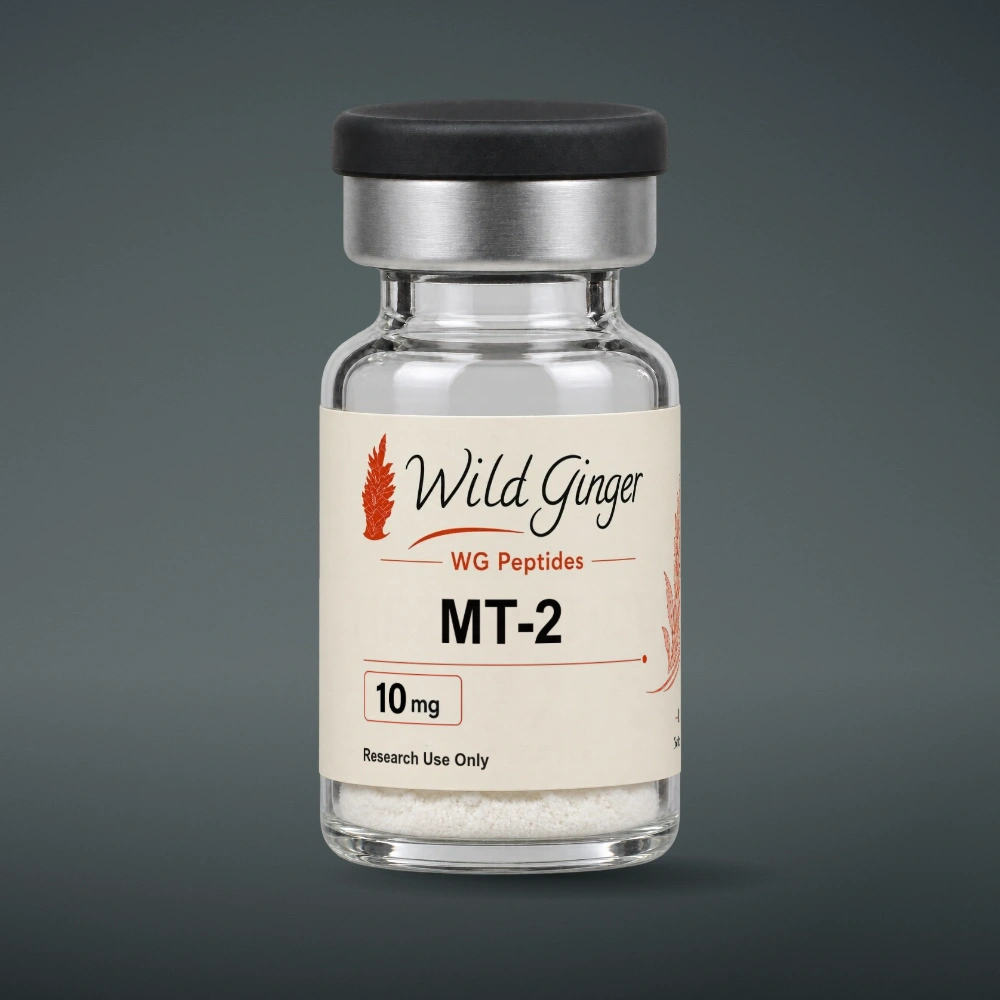
MT-2
PeptidesMT-2 (Melanotan II) Research Peptide Product Overview and Molecular Mechanism MT-2, also known as Melanotan II, is a synthetic cyclic heptapeptide analog of the endogenous α-melanocyte-stimulating hormone (α-MSH). In laboratory settings, MT-2 operates as a high-affinity non-selective agonist of the melanocortin receptors (MCRs), specifically targeting MC1, MC3, MC4, and MC5. Unlike the native α-MSH, MT-2 features a lactam bridge and incorporates D-phenylalanine at its central position, structural modifications that significantly enhance its metabolic stability and potency. Research indicates that its primary mechanism of action involves the activation of the MC1 receptor to stimulate melanogenesis and the MC4 receptor to modulate metabolic and neurobiological pathways. Preclinical Research Applications As a potent tool for in vitro and animal model studies, MT-2 is utilized to investigate various physiological systems. Researchers frequently employ the peptide to study the melanocortin system's role in energy homeostasis and appetite regulation through MC4R signaling. Furthermore, its ability to influence the barrier function of the skin and the pigmentary response of melanocytes makes it a staple in dermatological and photobiological modeling. Additionally, preclinical investigations have highlighted MT-2’s potential to modulate erectile function and libido in rodent models, providing a framework for understanding the neuroendocrine pathways associated with reproductive physiology. Reconstitution, Handling, and Storage MT-2 is supplied as a lyophilized white powder to ensure maximum stability. For laboratory use, it should be reconstituted using sterile Bacteriostatic Water or phosphate-buffered saline (PBS), depending on the specific requirements of the experimental protocol. To preserve the integrity of the peptide bonds, the vial should be swirled gently—never shaken. Unopened, the powder can be stored refrigerated at 2–8°C for use within weeks, or at −20°C for long-term storage, protected from light and moisture. Once reconstituted, store at 2–8°C, protected from light, and avoid repeated freeze-thaw cycles. INTENDED FOR LABORATORY RESEARCH USE ONLY. This product is not intended for human or animal consumption, nor for diagnostic or therapeutic use. All research must be conducted by qualified professionals in a controlled environment.
10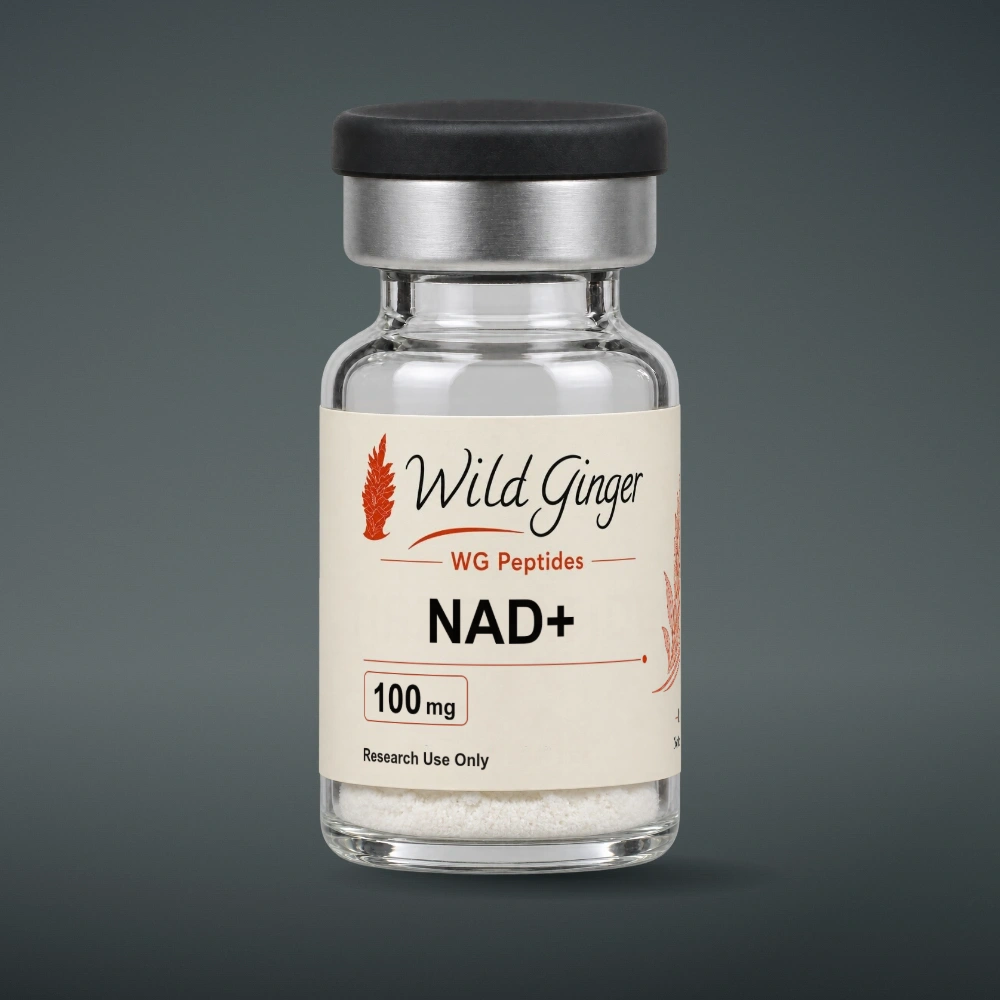
NAD+
PeptidesNAD+ (Nicotinamide Adenine Dinucleotide) Product Description for Laboratory Research Use Only Nicotinamide Adenine Dinucleotide (NAD+) is a fundamental coenzyme found in all living cells, serving as a critical electron carrier in redox reactions and a substrate for enzymes involved in genomic stability. In the context of in vitro research, NAD+ exists as a central metabolic node, oscillating between its oxidized (NAD+) and reduced (NADH) forms. It acts as an essential cofactor for enzymes such as glyceraldehyde-3-phosphate dehydrogenase (GAPDH) in glycolysis and several complexes within the mitochondrial electron transport chain. Beyond its role in energy metabolism, NAD+ is a requisite co-substrate for poly(ADP-ribose) polymerases (PARPs), sirtuins (SIRTs), and cADP-ribose synthases (CD38/CD157), which regulate intracellular signaling, DNA repair mechanisms, and calcium homeostasis. Laboratory investigations often utilize NAD+ to explore its influence on cellular senescence, mitochondrial biogenesis, and epigenetic regulation. Researchers focusing on metabolic pathophysiology utilize NAD+ to examine the flux of the tricarboxylic acid (TCA) cycle and the modulation of oxidative stress pathways within cell culture models. Additionally, NAD+ is a primary subject of interest in research involving the "NAD+ metabolome," where scientists investigate the biosynthetic precursors (such as NMN or NR) and the enzymatic degradation pathways that dictate cellular NAD+ availability. Its role in activating SIRT1, a NAD+-dependent deacetylase, makes it a critical tool for studying transcriptional regulation and chromatin remodeling in response to metabolic shifts. Reconstitution, Storage, and Handling NAD+ is typically supplied as a lyophilized powder to ensure chemical stability. For experimental use, it should be reconstituted in sterile deionized water or an appropriate laboratory buffer (such as PBS). Unopened, the powder can be stored refrigerated at 2–8°C for use within weeks, or at −20°C for long-term storage, protected from light and moisture. Once reconstituted, store at 2–8°C, protected from light, and avoid repeated freeze-thaw cycles. Researchers should maintain a neutral pH during handling, as NAD+ is particularly unstable in alkaline environments. WARNING: This product is intended for IN-VITRO LABORATORY RESEARCH ONLY. It is not for human or veterinary use. It must not be used for diagnostic or therapeutic purposes. Proper laboratory safety protocols and personal protective equipment (PPE) must be utilized at all times when handling this compound.
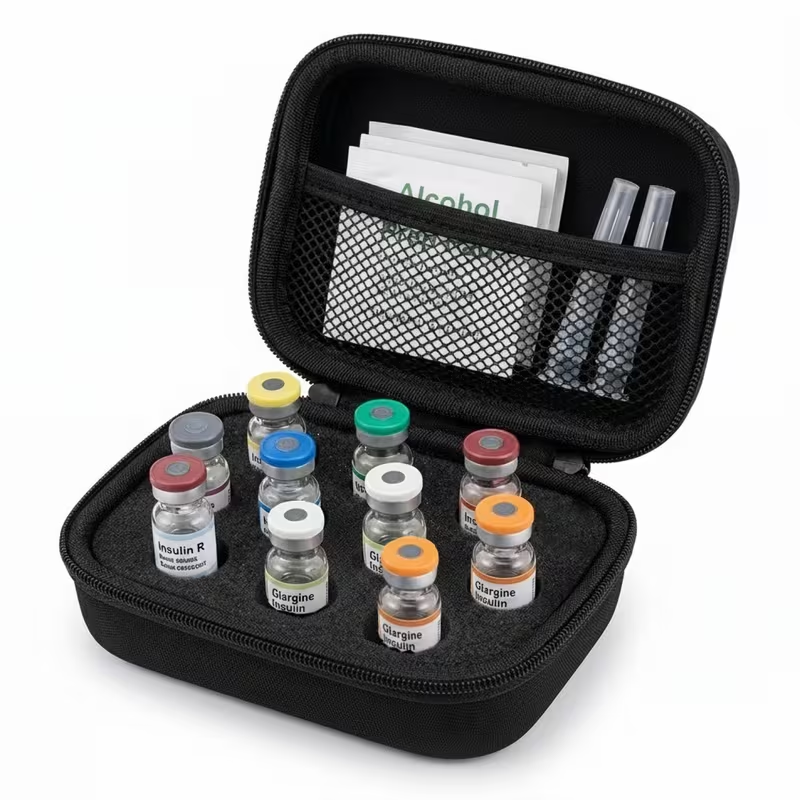
Peptide Storage Pouch
Laboratory Supplies10-Slot Insulin Refrigerator Shelf, Peptide Storage Box, Holds 1Ml 2Ml 3Ml Standard Vial. 12.5cm x 8.5cm x 4.5cm
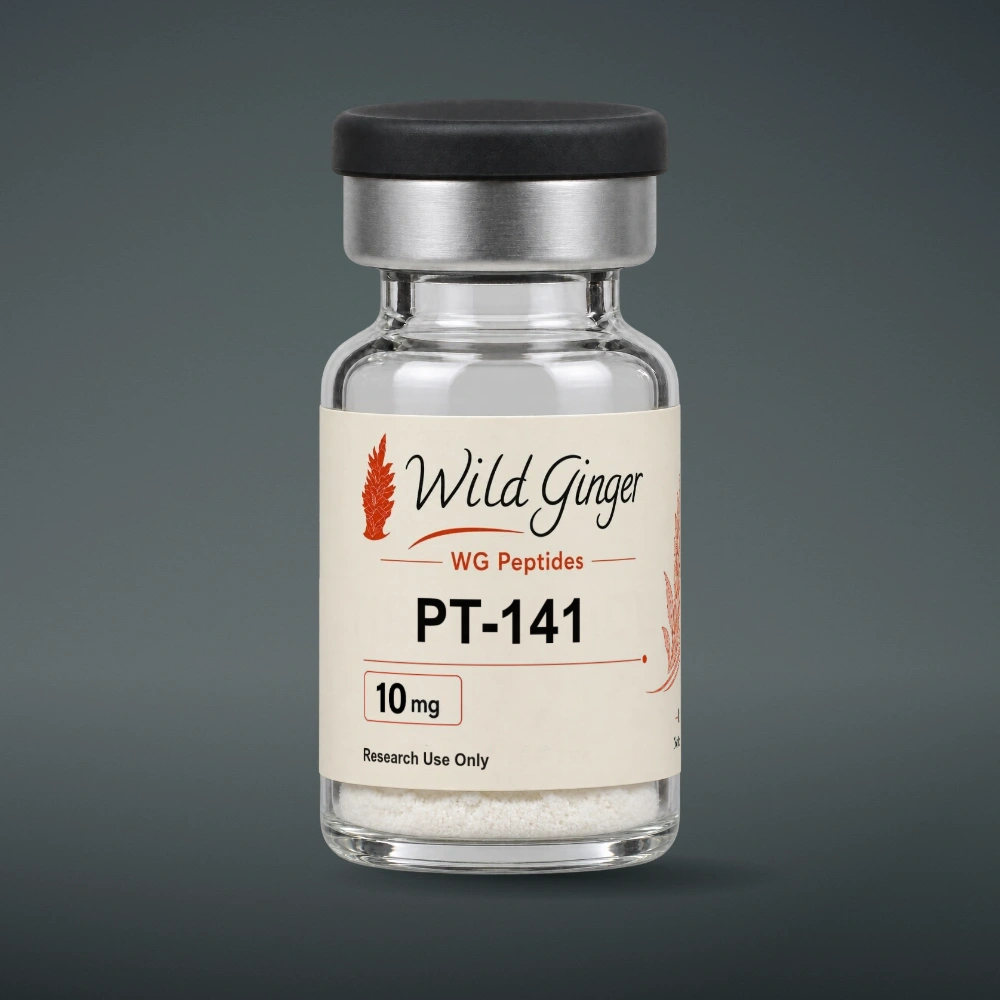
PT-141
PeptidesPT-141 (Bremelanotide Acetate) For In-Vitro Research and Laboratory Use Only PT-141, a synthetic peptide analog of the naturally occurring α-Melanocyte-stimulating hormone (α-MSH), is a potent non-selective agonist of the melanocortin receptors. Derived from the cyclic peptide Melanotan II, PT-141 differs significantly by the replacement of the C-terminal carboxylic acid with a primary alcohol. This structural modification shifts its pharmacological profile, maintaining high affinity for the MC3R and MC4R subtypes while exhibiting reduced activity at the MC1R (pigmentation) receptor compared to its predecessor. In laboratory settings, PT-141 is primarily investigated for its unique mechanism of action within the central nervous system (CNS). Unlike pro-erectile compounds that target the vascular system via the pde5 pathway, PT-141 exerts its effects upstream by modulating neuronal signaling in the hypothalamus, particularly within the medial preoptic area (mPOA). Research applications for PT-141 focus heavily on its ability to cross the blood-brain barrier and stimulate neural pathways associated with appetitive behaviors and sexual motivation in animal models. Preclinical studies have utilized this peptide to explore the complex interplay between melanocortin signaling and the dopaminergic reward system. By activating MC4 receptors, PT-141 has been shown to trigger oxytocin release and enhance dopamine neurotransmission, providing a valuable tool for behavioral neuroscientists studying the neurobiological underpinnings of social bonding, arousal, and autonomic function. Furthermore, the peptide is frequently employed in studies regarding hemorrhagic shock and inflammatory modulation, as melanocortin agonists have demonstrated potential in mitigating systemic inflammatory responses in specialized in-vitro assays. Unopened, the powder can be stored refrigerated at 2–8°C for use within weeks, or at −20°C for long-term storage, protected from light and moisture. Once reconstituted, store at 2–8°C, protected from light, and avoid repeated freeze-thaw cycles. Laboratory handling should be conducted under aseptic conditions, and researchers must ensure that all protocols are strictly limited to in-vitro or animal-based models, as PT-141 is not approved for human consumption or clinical application in a research context.
10mg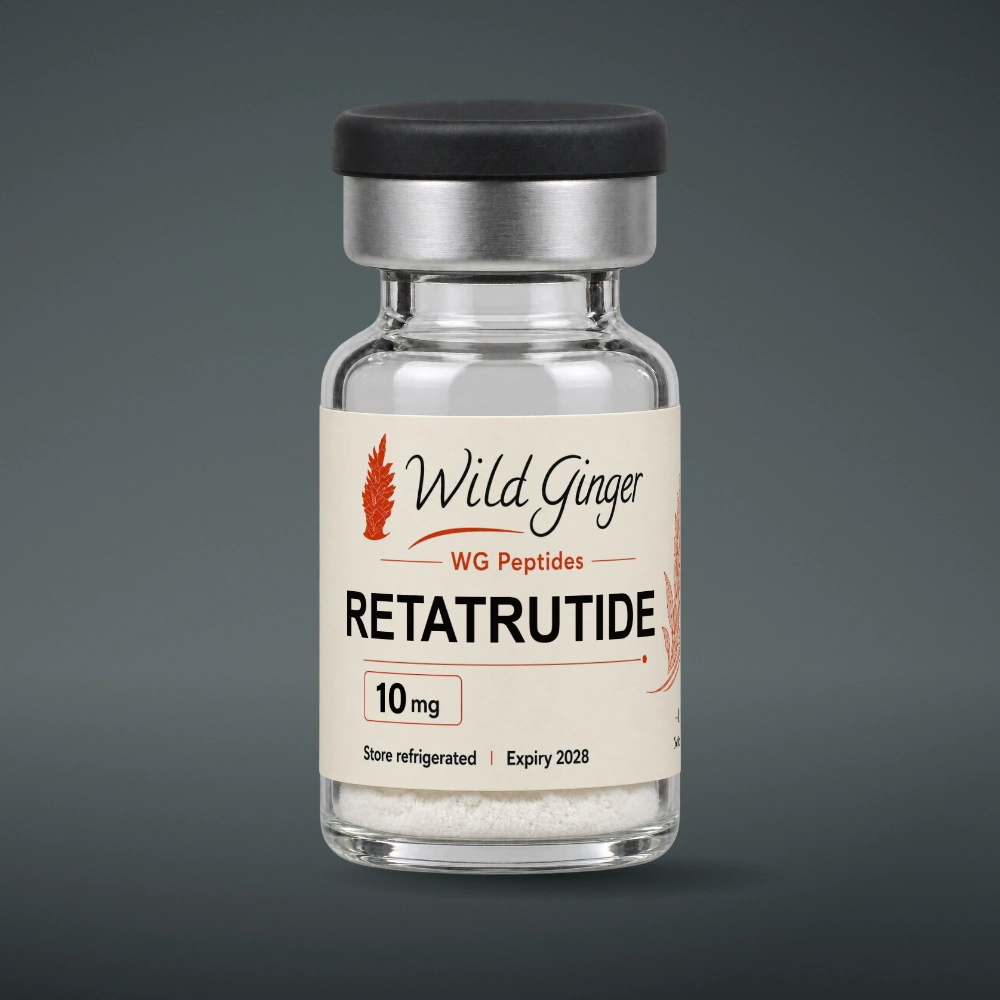
Retatrutide
PeptidesReta is supplied as a synthetic peptide reference material for laboratory research use only. This product is provided in a sealed vial labelled in mg and is intended solely for lawful, non-clinical research applications. It is not a medicine, supplement, cosmetic, food product or medical device. This product must not be ingested, injected, inhaled, applied topically, or used in humans or animals. WGPeptides does not provide dosing guidance, administration advice, medical advice, or recommendations for personal use. Batch testing information is provided for identification and quality transparency only. Purchasers are responsible for ensuring that any handling, storage and use complies with applicable laws, regulations and institutional requirements.
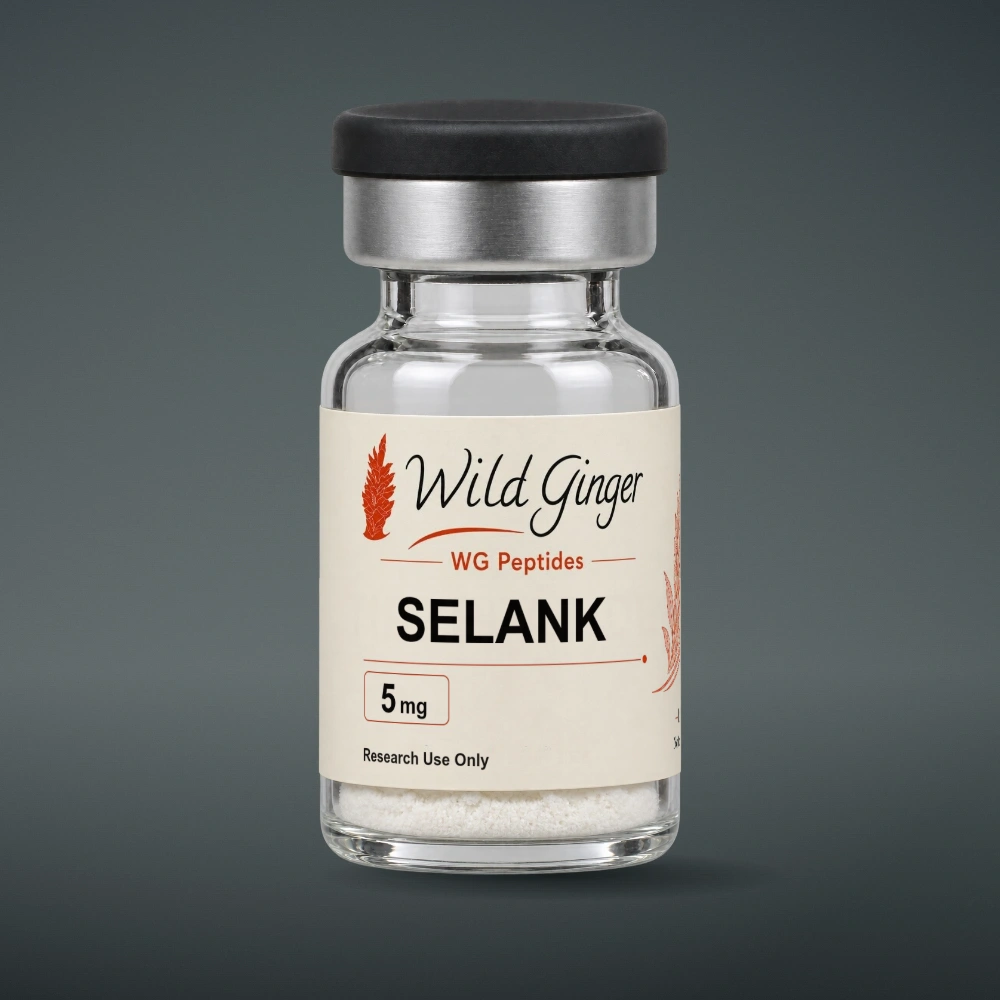
Selank
PeptidesSelank: Synthetic Heptapeptide Reagent Designed for the investigation of neurotransmitter modulation and immunoconjugate pathways. In experimental models, Selank is utilized to observe changes in the expression of Brain-Derived Neurotrophic Factor (BDNF) and the regulation of interleukin-6 (IL-6) mRNA. Its molecular structure facilitates the study of GABAergic system interactions and monoamine metabolism without the rapid enzymatic degradation typical of shorter-chain peptides.
5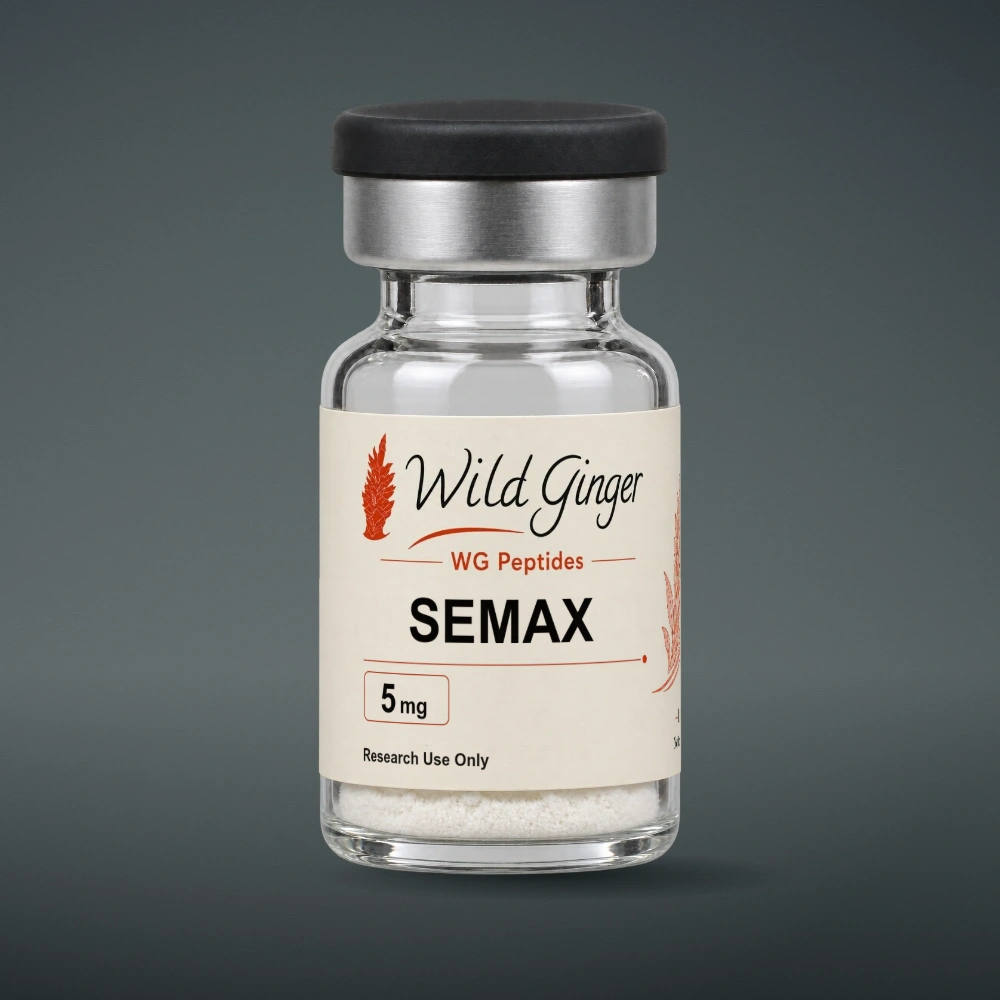
Semax
PeptidesSemax (Nootropic Research Peptide) Semax is a synthetic heptapeptide derived from a fragment of the adrenocorticotropic hormone (ACTH 4-10). It is extensively studied in neurobiological research for its potential neuromodulatory and neuroprotective properties. Unlike the parent ACTH molecule, Semax is engineered to be devoid of hormonal activity, instead functioning as a potent modulator of the central nervous system (CNS). Its primary mechanism of action involves the stimulation of Brain-Derived Neurotrophic Factor (BDNF) and Nerve Growth Factor (NGF) mRNA expression within the hippocampus and frontal cortex. By enhancing the synthesis of these neurotrophins, Semax serves as a critical tool in investigating neuronal plasticity, survival, and differentiation in various in vitro models. Beyond its neurotrophic influence, Semax demonstrates a complex pharmacological profile involving the modulation of the melanocortin system. Research suggests it acts as an agonist at melanocortin receptors (MCRs), specifically influencing the dopaminergic and serotonergic neurotransmitter systems. Laboratory investigations have focused on its ability to inhibit the breakdown of enkephalins and its potential to modulate the expression of genes involved in vascular endothelial growth factor (VEGF) signaling. These pathways make Semax a significant compound of interest in studies pertaining to neuroinflammation, ischemic recovery models, and the maintenance of the blood-brain barrier integrity in laboratory settings. For laboratory applications, Semax is typically provided as a lyophilized (freeze-dried) powder to ensure molecular stability. Unopened, the powder can be stored refrigerated at 2–8°C for use within weeks, or at −20°C for long-term storage, protected from light and moisture. Once reconstituted, store at 2–8°C, protected from light, and avoid repeated freeze-thaw cycles. This compound is strictly for in-vitro research and laboratory use only; it is not intended for diagnostic or therapeutic human applications.
5mg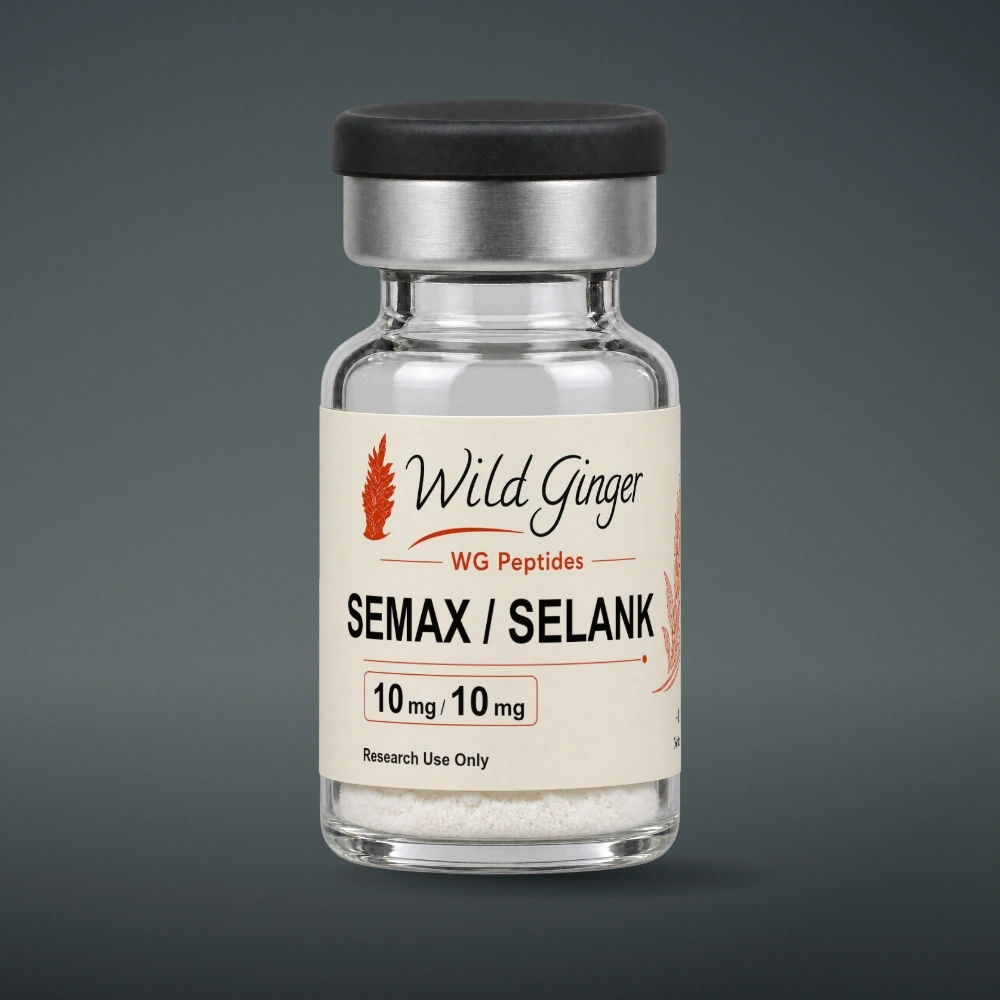
Semax/Selank
PeptidesSemax / Selank Research Duo Mechanism of Action and Receptor Pharmacology Semax and Selank are synthetic peptide analogues derived from endogenous regulatory sequences, specifically the adrenocorticotropic hormone (ACTH 4-10) and the tetrapeptide Tuftsin, respectively. In the laboratory environment, Semax is primarily investigated for its influence on the central nervous system through the modulation of brain-derived neurotrophic factor (BDNF) expression and nerve growth factor (NGF) mRNA levels. It acts as a potent melanocortin receptor ligand, though it lacks the hormonal activity of full-length ACTH. Selank, a structural analogue of the immunomodulatory peptide Tuftsin, is utilized in research to study the modulation of GABAergic neurotransmission. Preclinical studies suggest that Selank may increase the expression of the $GABAA$ receptor subunits and influence the metabolism of serotonin and norepinephrine, offering a unique profile for investigating neurochemical stability and regulatory pathways in cellular models. Preclinical Research Applications These peptides are frequently utilized in neurobiological research to explore neuroprotective mechanisms and synaptic plasticity. Semax is a primary candidate for studying ischemic injury models, where researchers observe its ability to mitigate oxidative stress and inhibit the degradation of enkephalins. Its role in modulating the inflammatory response at a molecular level makes it a valuable tool for investigating neuroinflammation. Selank is predominantly used in behavioral pharmacology research to examine the biological underpinnings of anxiolytic-like responses without the sedative effects typically associated with traditional GABAergic ligands. Researchers also utilize Selank to study the interplay between the immune system and the central nervous system, particularly how it affects cytokine production (such as IL-6) and leukocyte activity in vitro. Reconstitution, Storage, and Laboratory Handling For optimal experimental consistency, Semax and Selank are typically provided as lyophilized powders to ensure long-term stability. Reconstitution should be performed using bacteriostatic water or sterile phosphate-buffered saline (PBS), followed by gentle swirling rather than vigorous agitation to prevent the shearing of the peptide chains. Unopened, the powder can be stored refrigerated at 2–8°C for use within weeks, or at −20°C for long-term storage, protected from light and moisture. Once reconstituted, store at 2–8°C, protected from light, and avoid repeated freeze-thaw cycles. WARNING: This product is sold for IN-VITRO RESEARCH AND LABORATORY USE ONLY. It is not intended for human or veterinary use. All research must be conducted by qualified professionals in a controlled setting.
20mg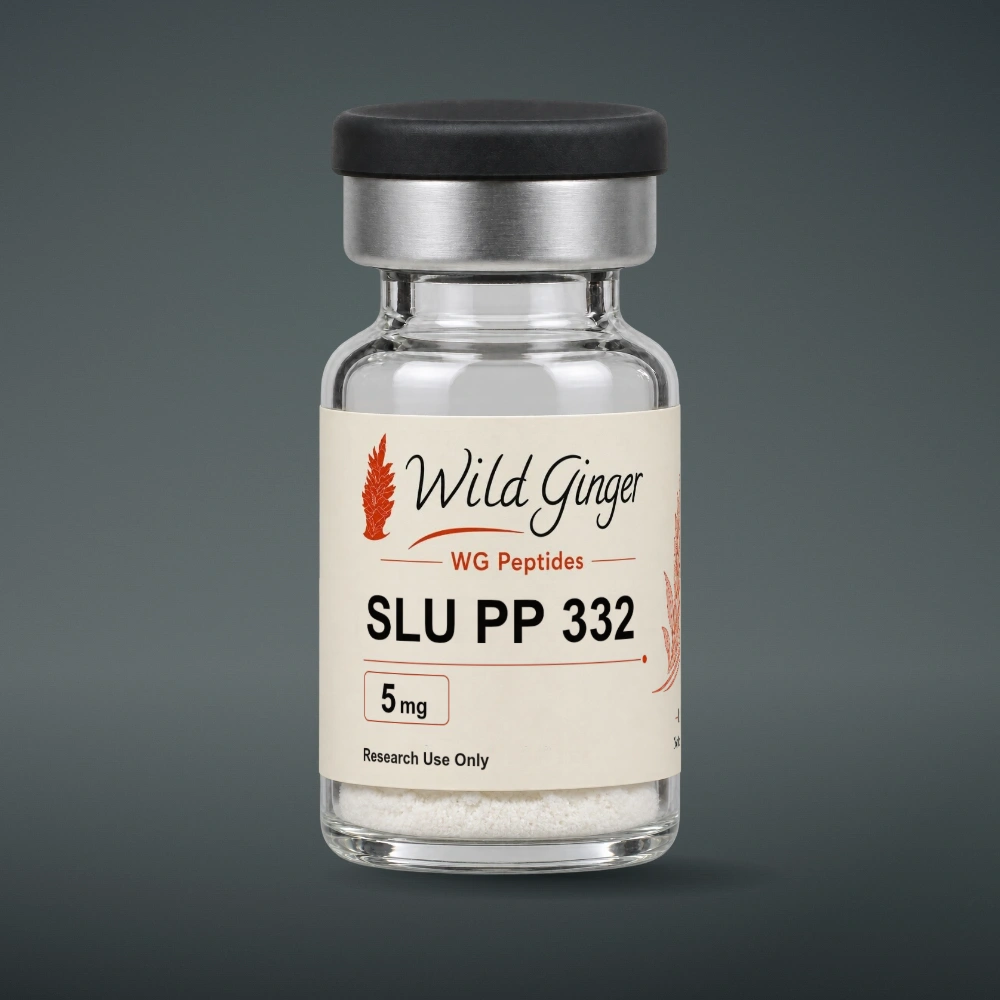
SLU PP 332
PeptidesSLU-PP-332 Research Compound Before ordering please ensure you have researched SLU PP 332 reconstitution. This product will NOT reconstitute with BAC water. See below for details. SLU-PP-332 is a potent and selective synthetic agonist of the Estrogen-Related Receptors (ERRs), specifically targeting the ERRα, ERRβ, and ERRγ isoforms. Unlike traditional estrogen receptors, ERRs are orphan nuclear receptors that function as constitutively active transcription factors. SLU-PP-332 acts as a functional mimetic of physical exertion at the molecular level, binding to the ligand-binding domain of these receptors to enhance the expression of genes involved in mitochondrial biogenesis and oxidative metabolism. In preclinical in vitro models, the compound has demonstrated a remarkable ability to upregulate the PGC-1α/β signaling axis, leading to increased oxygen consumption and enhanced cellular bioenergetics without the requirement of exogenous hormonal stimulation. Research applications for SLU-PP-332 primarily focus on the investigation of metabolic homeostasis and musculoskeletal physiology. Facilitating the transition of glycolytic fibers to oxidative, slow-twitch muscle fibers in laboratory settings, this compound serves as a critical tool for studying the molecular pathways of energy expenditure and lipid oxidation. Furthermore, investigators utilize SLU-PP-332 to explore the stabilization of the mitochondrial genome and the mitigation of metabolic dysfunction in specialized cell lines. Its high degree of selectivity across the ERR subfamily allows for precise mapping of nuclear receptor signaling involved in thermogenesis and glucose utilization within controlled laboratory environments. Handling, Reconstitution, and Storage This product is supplied as a lyophilized powder and is intended exclusively for in vitro laboratory research. For optimal stabilization, it is recommended to reconstitute SLU-PP-332 using an anhydrous solvent such as DMSO or ethanol, as aqueous solubility may be limited depending on the experimental concentration required. Unopened, the powder can be stored refrigerated at 2–8°C for use within weeks, or at −20°C for long-term storage, protected from light and moisture. Once reconstituted, store at 2–8°C, protected from light, and avoid repeated freeze-thaw cycles. FOR RESEARCH AND LABORATORY USE ONLY. Not for human or veterinary use. This product is not intended to diagnose, treat, cure, or prevent any disease.
5mg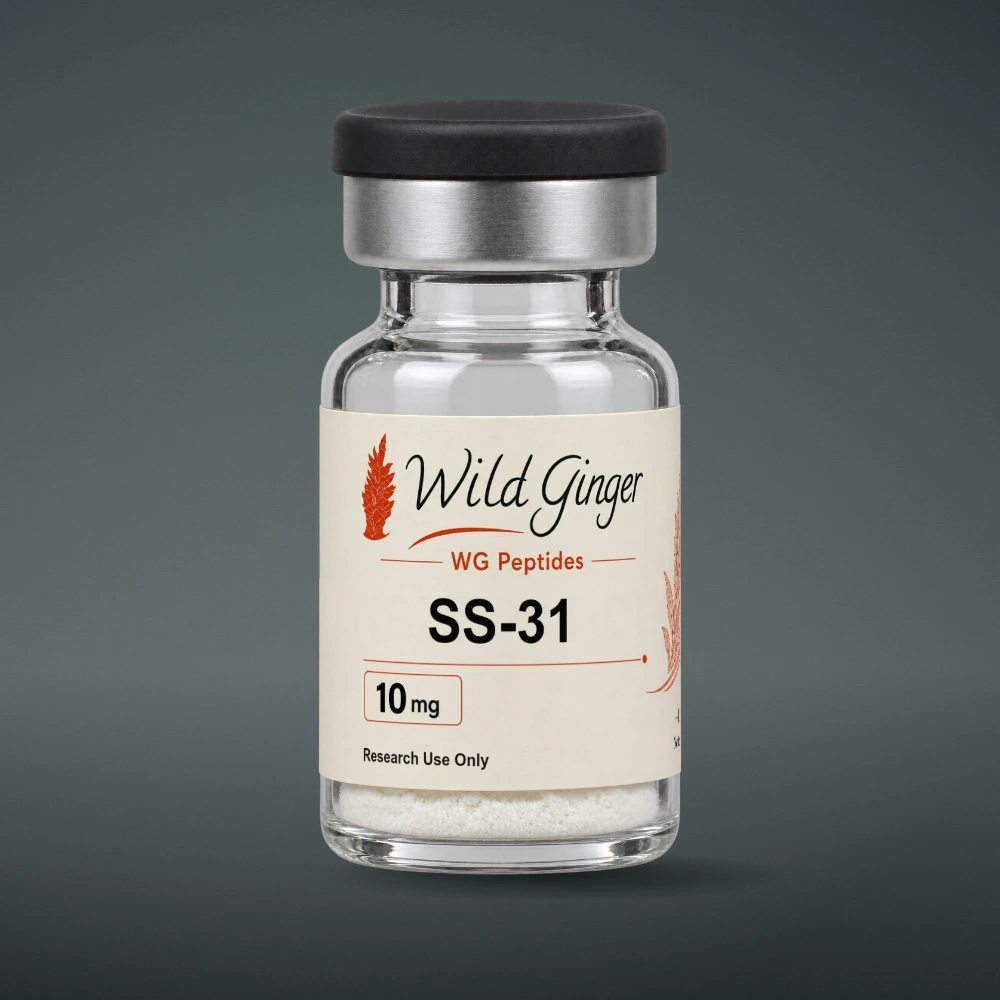
SS-31
PeptidesSS-31 (Elamipretide) – Reagent Overview SS-31, a synthetic tetrapeptide (D-Arg-2',6'-Dmt-Lys-Phe-NH2), is a pioneering research compound known for its highly selective affinity for cardiolipin, a unique phospholipid situated exclusively within the inner mitochondrial membrane (IMM). Structurally, SS-31 belongs to the Szeto-Schiller (SS) family of peptides, characterized by their ability to cross cellular membranes independent of membrane potential. In laboratory settings, SS-31 acts as a mitochondrial-targeted antioxidant and structural stabilizer. Its primary mechanism of action involves binding to cardiolipin, which inhibits the peroxidase activity of the cytochrome c-cardiolipin complex. By sequestering cardiolipin in its functional state, SS-31 prevents the inhibition of the electron transport chain (ETC) and mitigates the excessive production of reactive oxygen species (ROS) at the source of mitochondrial respiration. Research applications for SS-31 are expansive, particularly in preclinical models investigating mitochondrial dysfunction, aging-related cellular decay, and ischemia-reperfusion injury. Because cardiolipin is essential for maintaining the cristae structure and the assembly of respiratory supercomplexes, SS-31 is frequently used in in-vitro assays to study the preservation of ATP synthesis under oxidative stress. Investigators utilize this peptide to explore the pathways of mitochondrial-mediated apoptosis, as its stabilization of the IMM can inhibit the release of pro-apoptotic factors like cytochrome c into the cytosol. Furthermore, its role in modulating mitochondrial bioenergetics makes it a critical tool for studying metabolic syndromes and neurodegenerative cellular models in a controlled laboratory environment. In-Vitro Laboratory Use and Handling: Unopened, the powder can be stored refrigerated at 2–8°C for use within weeks, or at −20°C for long-term storage, protected from light and moisture. Once reconstituted, store at 2–8°C, protected from light, and avoid repeated freeze-thaw cycles. For experimental use, the peptide should be reconstituted in a sterile, buffered solution such as PBS or 0.9% saline. Researchers should ensure all handling occurs in an aseptic environment. WARNING: This product is intended for LABORATORY RESEARCH USE ONLY. It is not for human or animal consumption, diagnostic procedures, or therapeutic use. All research must be conducted by qualified professionals in a controlled laboratory setting according to safety protocols.
10mg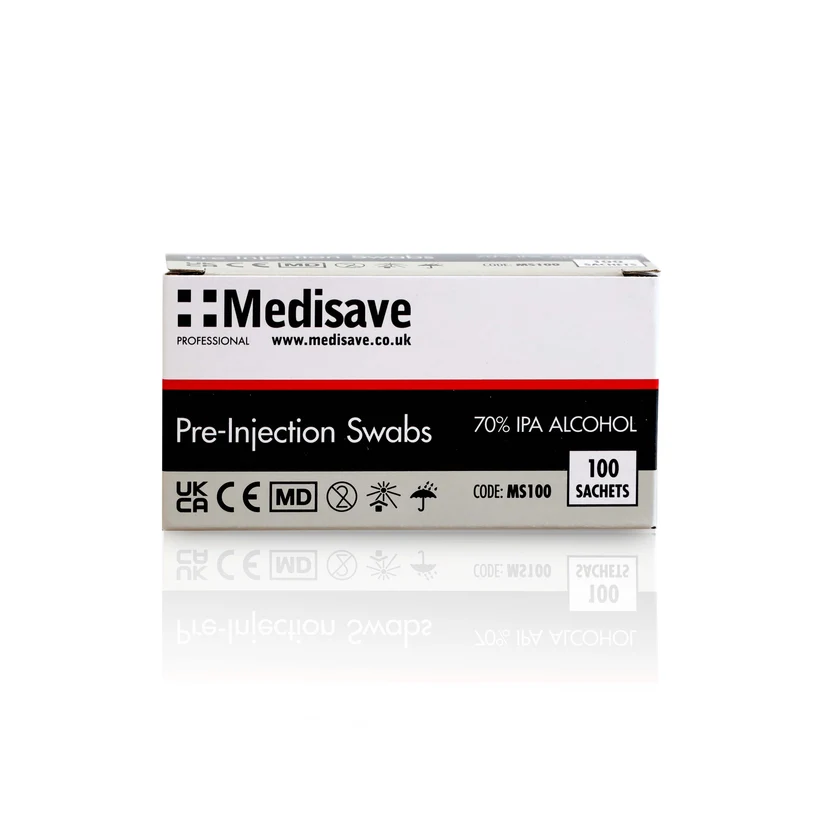
Sterilising Swabs
Laboratory SuppliesIndividually wrapped alcohol swabs suitable for general laboratory and research environments. Brand varies Product Features: Contains 70% Isopropyl Alcohol (IPA) Suitable for cleaning and disinfecting compatible surfaces and equipment Helps remove surface contaminants and reduce bacterial contamination Individually wrapped for convenient, hygienic handling Impregnated non-woven material Supplied in a box of 100 swabs Intended Use: General laboratory cleaning, surface preparation and research applications.
Box 100 - Medisave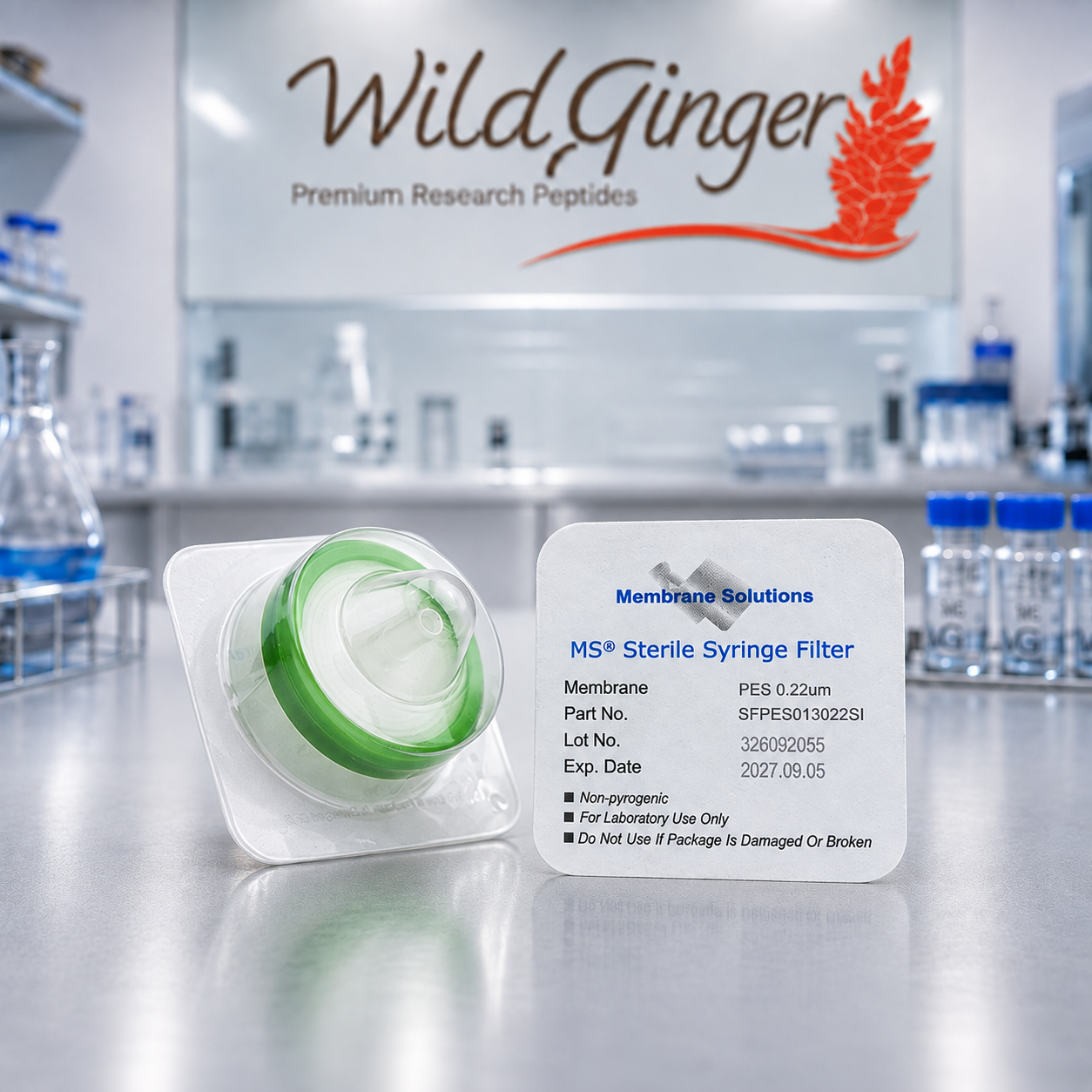
Syringe filter 13mm diameter PES 0.22um porosity hydrophilic sterile
Laboratory SuppliesSyringe filter 13mm diameter PES 0.22um porosity hydrophilic sterile - requires Lauer Lock syringe, slip lock needle. MS PES syringe filters are designed for fast, sterile filtration of culture media, buffers, and protein solutions. Their hydrophilic polyethersulfone membranes offer low protein binding and fast flow rates, making them ideal for biological sample prep and microbiological media sterilisation. Key Features Hydrophilic PES membrane for rapid filtration and high throughput Minimal extractables for high sample integrity Low protein binding for maximum sample recovery Sterilised by gamma irradiation and individually wrapped Certified RNase-/DNase-/DNA-free and non-pyrogenic Optimised for Culture Media and Protein Filtration MS PES syringe filters are manufactured in ISO 9000-certified cleanroom facilities and HPLC-tested for extractables, ensuring consistent performance and purity in sterile workflows. Colour Code: Green
Green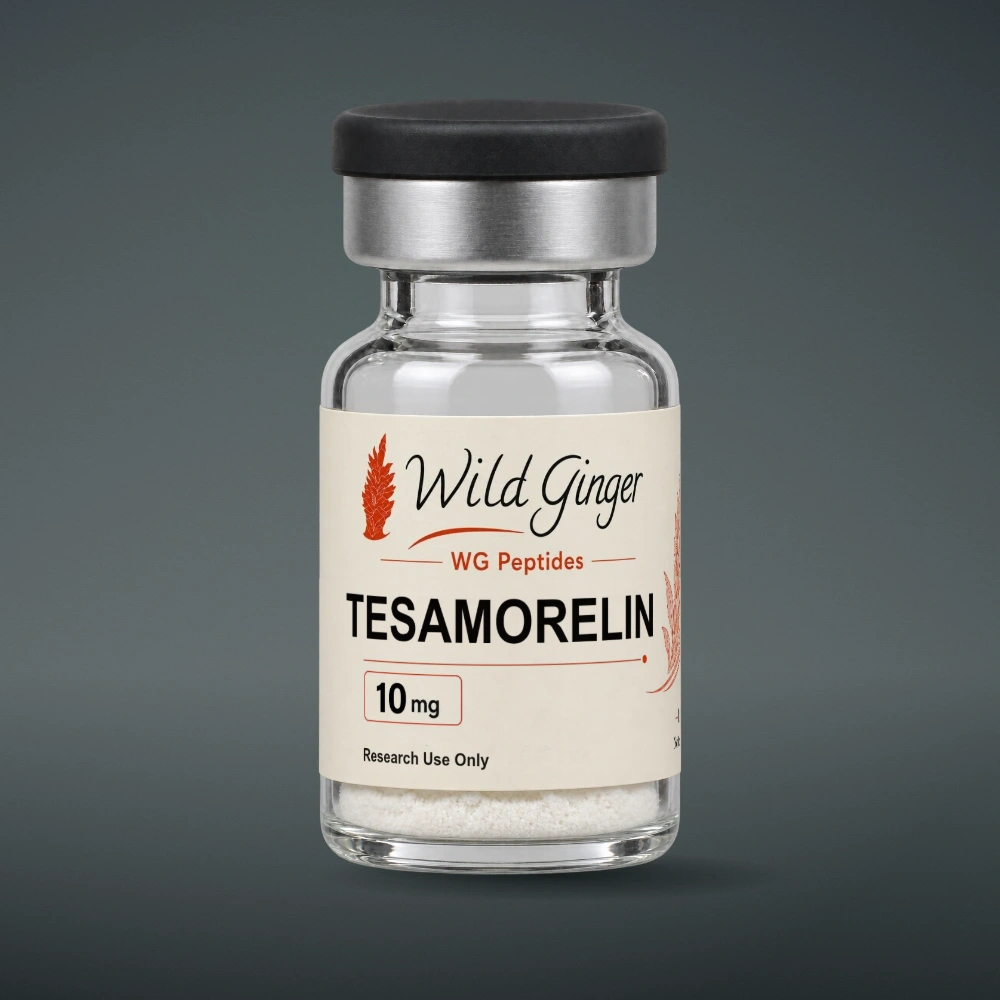
Tesamorelin
PeptidesTesamorelin (Growth Hormone-Releasing Hormone Analog) Tesamorelin is a synthetic peptide analog of growth hormone-releasing hormone (GHRH), comprised of the first 44 amino acids of human GHRH with a hexenoyl group attached to the N-terminal tyrosine residue. This structural modification enhances its metabolic stability and resistance to enzymatic degradation by dipeptidyl peptidase-4 (DPP-IV) compared to the endogenous peptide. In laboratory research environments, Tesamorelin is utilized to investigate the stimulation of endogenous growth hormone (GH) secretion. It functions as a potent agonist at the GHRH receptors located on the somatotrophs of the anterior pituitary gland. The binding of Tesamorelin triggers a signal transduction pathway involving the activation of adenylate cyclase, resulting in increased intracellular cyclic adenosine monophosphate (cAMP) and the subsequent pulsatile release of GH. Preclinical research into Tesamorelin focuses heavily on its influence over lipid metabolism and body composition in various animal models. Unlike exogenous growth hormone administration, which can bypass regulatory feedback loops, Tesamorelin-induced GH release maintains the physiological negative feedback mechanism via somatostatin, making it a distinct tool for studying regulated somatotropic signaling. Investigators utilize this compound to explore the downstream effects of elevated GH and Insulin-like Growth Factor 1 (IGF-1), particularly concerning the modulation of ectopic adipose tissue, glucose homeostasis, and the preservation of lean muscle mass. Furthermore, current in-vitro studies examine its potential neuroprotective properties and its role in modulating cognitive biomarkers in models of age-related decline. For laboratory applications, Tesamorelin is typically supplied as a lyophilized white powder to ensure long-term stability. Unopened, the powder can be stored refrigerated at 2–8°C for use within weeks, or at −20°C for long-term storage, protected from light and moisture. Once reconstituted, store at 2–8°C, protected from light, and avoid repeated freeze-thaw cycles. Upon reconstitution with an appropriate bacteriostatic or sterile diluent, the peptide should be gently swirled rather than shaken to prevent denaturation of the delicate amino acid chain. This product is intended for IN-VITRO RESEARCH AND LABORATORY USE ONLY. It is not for human or veterinary diagnostic or therapeutic use.
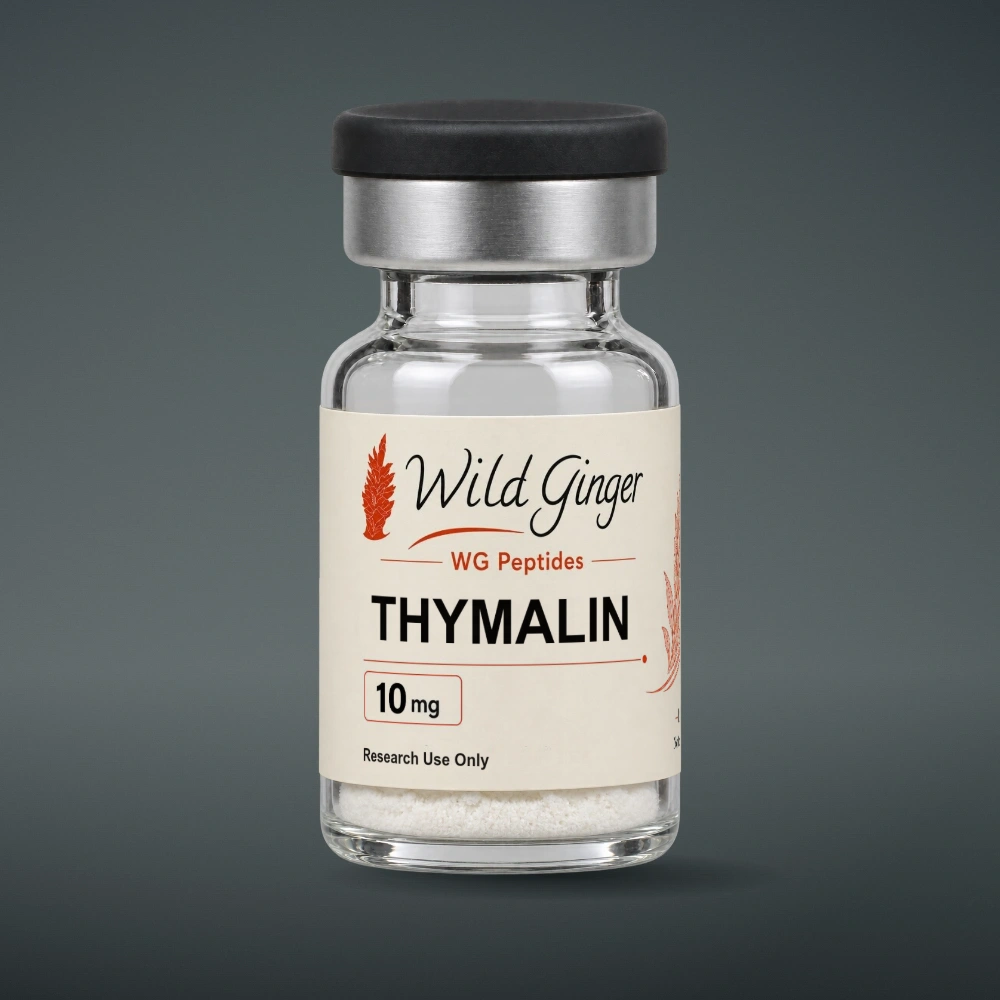
Thymalin
PeptidesThymalin — Research Overview In published research, Thymalin refers to a complex of peptides extracted from thymus tissue. It has been investigated for its effects on immune-cell function and T-cell differentiation. Thymalin is not characterised by one amino-acid sequence or a single molecular weight. It is distinct from Thymogen, the defined dipeptide Glu–Trp. For in-vitro laboratory research only. Not for human or veterinary use, diagnosis or therapeutic application.
10mg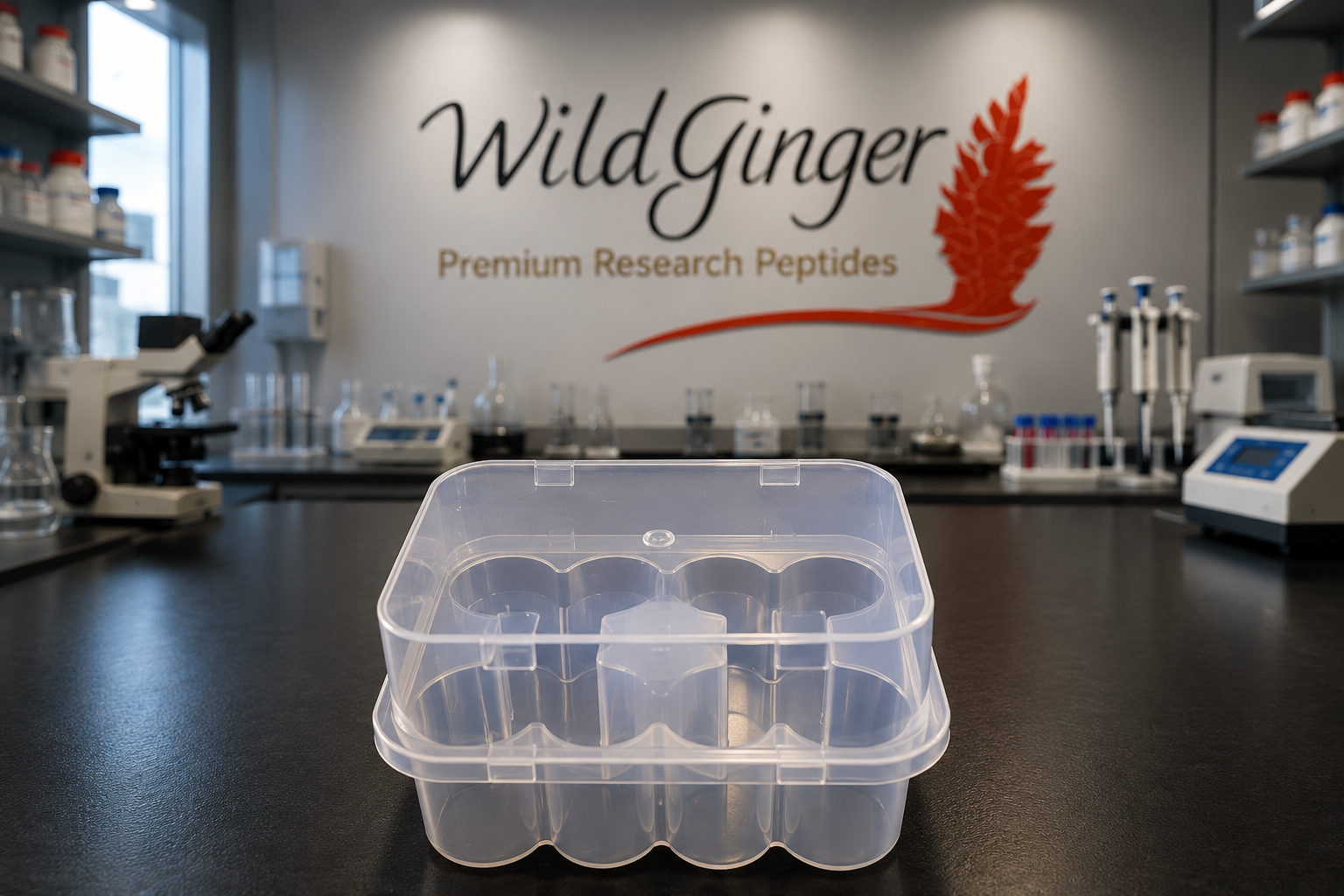
Vial Kit Container
Laboratory Supplies3ml Vial Storage Container. 10 vials.
10 vial plastic container